Originally posted on May 21, 2026 @ 5:43 pm
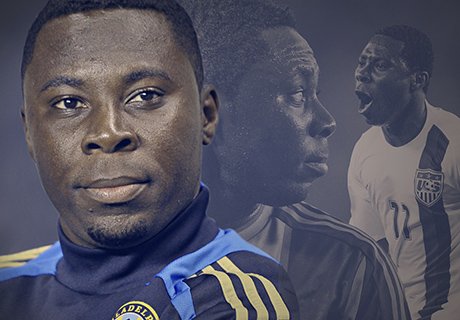
Freddy Adu built public attention around the career identity tied to professional soccer player, 'the next Pelé'. Public estimates place Freddy Adu's net worth at $4 million, but the more useful question is how that figure is built.
Fredua Koranteng "Freddy" Adu burst onto the American soccer scene as a bona fide prodigy, signing a professional contract at just 14 years old and immediately drawing comparisons to legendary players. His electrifying talent and youthful exuberance made him a household name, captivating fans and media alike. This early fame brought not only immense pressure but also significant financial opportunities, shaping his unique career path.
As of 2026, Freddy Adu's net worth is estimated to be around $4 million. This figure reflects a career that, while not reaching the stratospheric heights predicted by some, still included lucrative contracts and major endorsement deals. His financial story is a compelling look at the economics of professional sports, especially for a player who entered the spotlight so young.
Freddy Adu Net Worth: From Prodigy to Professional Earnings
Freddy Adu's financial standing is largely a product of his early entry into professional soccer and the substantial commercial interest he generated as a teenager. His income streams were primarily fueled by his playing contracts with various clubs, both in Major League Soccer (MLS) and internationally, coupled with significant endorsement deals that capitalized on his 'next big thing' status. While his on-field career saw him move between many teams, the initial buzz around his talent translated into a strong financial foundation, particularly during his formative years in the sport. The combination of his MLS salaries and a landmark endorsement deal with Nike formed the bedrock of his wealth.
Quick Facts
| Known for | Professional soccer player, 'the next Pelé' |
|---|---|
| Birth Date | June 2, 1989 |
| Nationality | Ghanaian-American |
| Position | Attacking Midfielder |
| Key Teams | D.C. United, Benfica, Philadelphia Union |
Professional Soccer Contracts: The MLS Years and Beyond
Adu's professional soccer career began with a bang when he signed with D.C. United in November 2003, becoming the youngest American ever to sign a major league professional contract. His initial salary with D.C. United was reportedly $500,000 a year, a staggering sum for a 14-year-old. He made his MLS debut in April 2004, becoming the youngest player to appear in an MLS fixture. His time with D.C. United (2004-2006) saw him play 87 matches, scoring 11 goals.
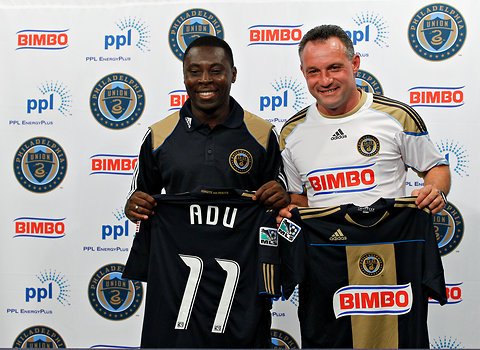
Following his initial success, Adu's career took him to various clubs, both domestically and internationally. He played for teams like Real Salt Lake (2007) before making a high-profile move to Portuguese giants Benfica in 2007. While his time at Benfica (2007-2011) included several loan spells, these moves often came with significant transfer fees and respectable salaries. Later in his career, he returned to MLS with the Philadelphia Union (2011-2013), where he continued to command a notable salary, though not at the same peak as his initial D.C. United contract. Throughout his career, Adu played for over a dozen clubs across different countries, each contract contributing to his overall earnings.
Endorsement Deals: Nike and Early Commercial Success
Beyond his playing salary, a substantial portion of Freddy Adu's early wealth came from lucrative endorsement deals. The most prominent of these was his contract with sportswear giant Nike. Signed in 2003, this deal was reportedly worth $1 million, a testament to the immense marketing potential seen in the young phenom. This endorsement was critical, as it significantly augmented his income, especially during his teenage years.
Reports indicate that at one point in his teens, Adu was earning as much as $3 million a year, with only about $500,000 of that coming directly from his soccer salary. This stark difference highlights the profound impact of his commercial appeal. The Nike deal, along with other potential smaller endorsements and appearance fees, positioned him as a marketable figure far beyond the soccer pitch, allowing him to accumulate considerable wealth early in his career.
Post-Playing Career and Other Ventures
After a winding professional career that saw him play in multiple countries, Freddy Adu officially retired from professional soccer in 2021. While specific details about his post-playing financial ventures are less publicized, like many former athletes, he has likely explored various avenues. This could include coaching, media appearances, or entrepreneurial pursuits leveraging his name recognition. The financial stability built during his playing and endorsement years would provide a foundation for these later-career transitions, though they are unlikely to match the scale of his peak earning years as a celebrated soccer prodigy.
Earnings Breakdown
| Income Source | Category | Est. Annual | Status |
|---|---|---|---|
| Professional Soccer Contracts (MLS) | Salary | Varies by contract/team | Past |
| Professional Soccer Contracts (International) | Salary | Varies by contract/team | Past |
| Nike Endorsement Deal | Brand | Contract-based payment | Past |
| Other Endorsements/Appearances | Other | Appearance fees vary | Past |
Frequently Asked Questions
What is Freddy Adu's estimated net worth?
As of 2026, Freddy Adu's net worth is estimated to be around $4 million, primarily from his professional soccer contracts and early endorsement deals.
How much did Freddy Adu earn from his D.C. United contract?
Freddy Adu reportedly earned a salary of $500,000 a year during his initial contract with D.C. United, starting in 2003.
Did Freddy Adu have major endorsement deals?
Yes, Freddy Adu signed a significant endorsement deal with Nike, reportedly worth $1 million, early in his career, which contributed substantially to his earnings.
When did Freddy Adu retire from professional soccer?
Freddy Adu officially retired from professional soccer in 2021, concluding a career that spanned nearly two decades.
Conclusion
Freddy Adu's journey from a teenage soccer sensation to a seasoned professional, and eventually retirement, is a unique narrative in sports. His net worth of $4 million reflects a career that, while perhaps not fulfilling every early expectation, was undeniably financially successful, particularly during his peak years. His story underscores the significant earning potential for athletes, especially those who capture public imagination and secure major endorsements early on, even if their on-field path takes unexpected turns.