Originally posted on May 19, 2026 @ 5:33 am
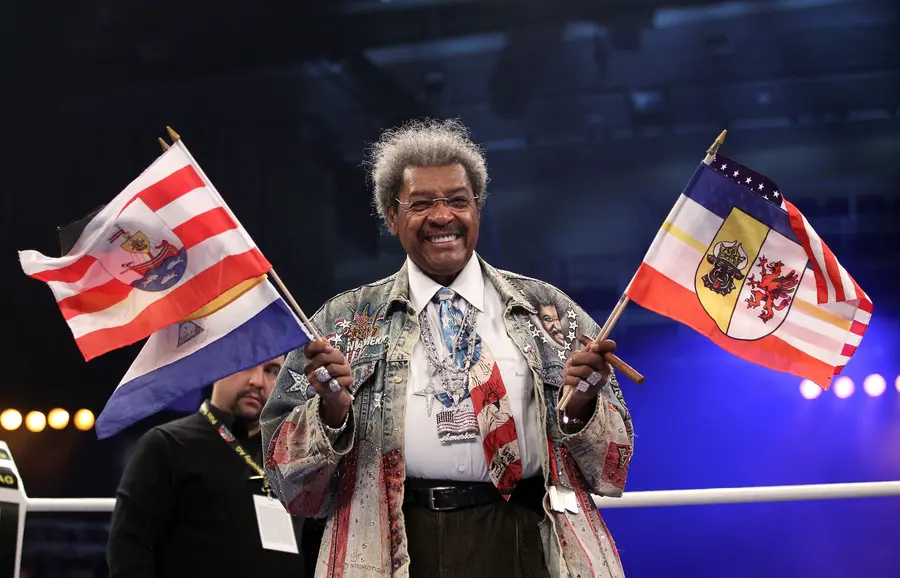
In the world of professional boxing, few names resonate with as much power and controversy as Don King. The flamboyant promoter, instantly recognizable by his distinctive electrified hair, was the mastermind behind some of the sport's most monumental events, shaping the careers of legends like Muhammad Ali and Mike Tyson. as of 2026, Don King's net worth was widely estimated to be around $150 million, a testament to decades spent at the pinnacle of boxing's often cutthroat business.
King's journey from a challenging past in Cleveland, Ohio, to becoming a global sports impresario is a story woven with ambition, shrewd negotiation, and an unparalleled ability to generate buzz. His financial standing in 2020 reflected a career built on high-stakes fights, lucrative broadcast deals, and a relentless pursuit of the next big spectacle. This article delves into the primary sources that contributed to his considerable wealth.
Don King Net Worth: From Don King Productions to Rumble in the Jungle
Don King's net worth story starts with Boxing Promotion (Don King Productions), but it does not stop there. Broadcast Rights and Pay-Per-View, Fighter Management Fees, and Pay-Per-View and Broadcast Rights help explain why the estimate is built from several connected pieces rather than one simple paycheck. This section is only a brief map of those lanes before the deeper breakdown begins.
Quick Facts
| Full Name | Donald King |
|---|---|
| Profession | Boxing Promoter |
| Main Company | Don King Productions |
| Known For | Promoting Muhammad Ali, Mike Tyson, and legendary bouts |
| Net Worth (2020) | $150 million |
Don King Productions: A Legacy in Boxing Promotion
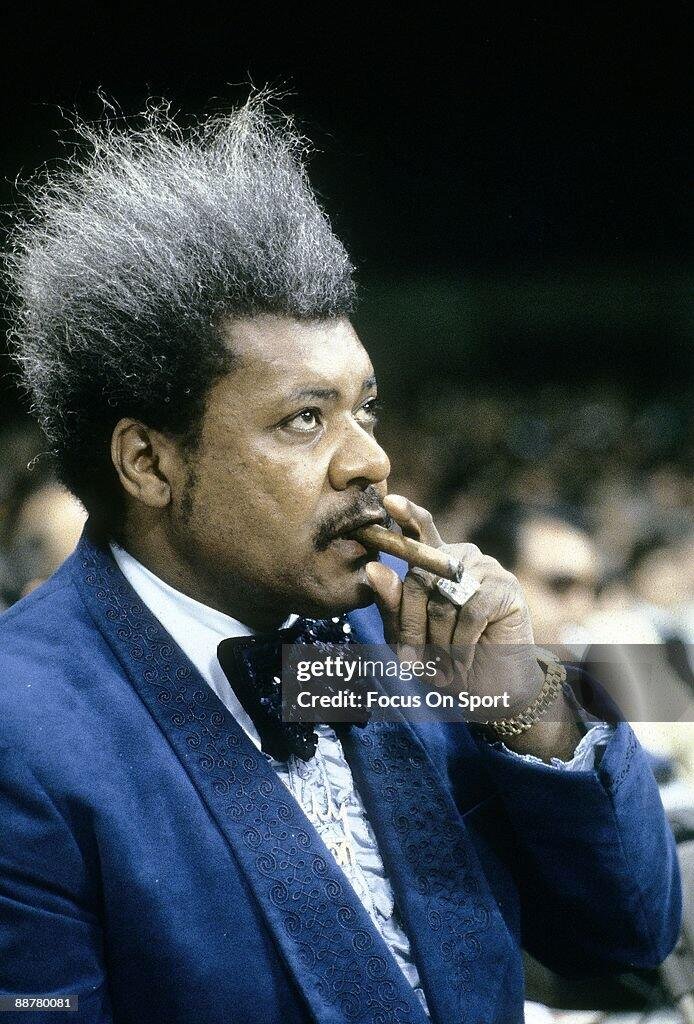
At the heart of Don King's financial success is his company, Don King Productions, founded in 1974. Based out of Deerfield Beach, Florida, this entity served as the vehicle for nearly all of King's major promotional ventures. The company's core business involved identifying promising fighters, signing them to promotional contracts, and then arranging high-profile boxing matches. This included everything from securing fight locations, managing logistics, marketing, and negotiating broadcast rights.
Through Don King Productions, he promoted an astonishing array of world championship fights, many of which became cultural touchstones. The company's earning model was straightforward: a percentage of the gate receipts, a share of the pay-per-view revenue, and fees from international broadcast rights. The sheer volume and scale of the events promoted by Don King Productions over decades ensured a consistent and substantial flow of income, making it the primary engine of his wealth.
The Business of Big Fights: Earnings from Legendary Boxers
Don King's financial fortunes are inextricably linked to the legendary boxers he promoted. His ability to identify and elevate talent, then market their contests as must-see events, was his greatest asset. Perhaps his most famous early success was promoting Muhammad Ali's 'Rumble in the Jungle' in 1974 against George Foreman in Zaire, followed by the 'Thrilla in Manila' in 1975 against Joe Frazier. These fights were not just sporting events; they were global phenomena, generating immense revenue from international television rights and a burgeoning pay-per-view market.
Later in his career, King became synonymous with the meteoric rise of Mike Tyson. Sources indicate that King made over $100 million from promoting Tyson's fights alone, a staggering sum that underscores the financial power of these high-stakes matchups. While the relationship between King and many of his fighters, including Tyson, was often fraught with legal battles over earnings, there's no denying that King's promotional prowess turned these athletes into global superstars and, in turn, generated colossal profits for his company.
Broadcast Rights and Pay-Per-View Dominance
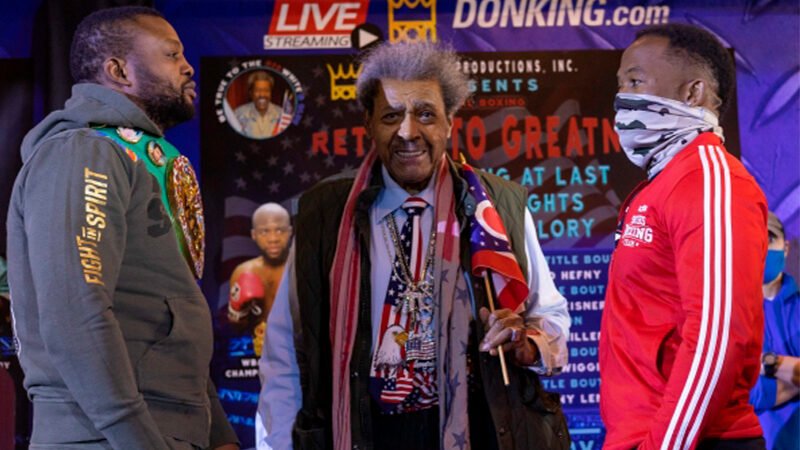
A significant portion of Don King's wealth stemmed from his astute negotiation of broadcast rights, particularly for pay-per-view (PPV) events. In an era before widespread streaming, securing exclusive deals with networks like HBO and Showtime for major boxing cards was incredibly lucrative. King was a pioneer in maximizing the financial potential of PPV, understanding that fans would pay a premium to watch the biggest fights live.
His deals often involved substantial upfront payments and a share of the PPV buys, which could run into millions of dollars for a single event. This revenue stream was crucial, allowing Don King Productions to offer massive purses to fighters, thereby attracting the biggest names and ensuring the continued success of his promotional empire. The ability to consistently deliver high-demand content to television audiences was a cornerstone of his financial strategy.
Earnings Breakdown
| Income Source | Category | Est. Annual | Status |
|---|---|---|---|
| Boxing Promotion (Don King Productions) | Business | Varies by fight/year | Active |
| Pay-Per-View & Broadcast Rights | Business | Varies by event | Past |
| Fighter Management Fees | Business | Varies by contract | Past |
Frequently Asked Questions
What was Don King's net worth in 2020?
as of 2026, Don King's net worth was widely estimated to be around $150 million. Some reports suggested higher figures, but $150 million was a frequently cited cautious estimate.
How did Don King make his money?
Don King primarily made his money as a boxing promoter through his company, Don King Productions. He earned revenue from promoting major fights, negotiating broadcast and pay-per-view rights, and managing fighters.
Which famous boxers did Don King promote?
Don King promoted many legendary boxers, including Muhammad Ali, Mike Tyson, George Foreman, Joe Frazier, and Larry Holmes, among others.
What are some of the most famous fights Don King promoted?
Some of the most famous fights promoted by Don King include the 'Rumble in the Jungle' (Muhammad Ali vs. George Foreman) and the 'Thrilla in Manila' (Muhammad Ali vs. Joe Frazier).
Conclusion
Don King's journey to a $150 million net worth by 2020 is a testament to his unique and often polarizing impact on the sport of boxing. From orchestrating historic bouts to navigating complex financial landscapes, his career has been nothing short of legendary. While controversies often followed him, his business acumen in transforming boxing into a global entertainment spectacle remains undeniable. His wealth stands as a clear indicator of the immense financial power he wielded within the sport for decades, solidifying his place as one of the most successful promoters in history.