
Originally posted on May 18, 2026 @ 3:30 am
David Lynch, the singular American filmmaker, artist, and musician, left an indelible mark on popular culture with his distinctive surrealist vision. Known for crafting dreamlike narratives that often delve into the darker undercurrents of human experience, Lynch's career spanned over six decades, earning him critical acclaim and a devoted global following. From the unsettling black-and-white landscapes of Eraserhead to the labyrinthine mysteries of Mulholland Drive, his work consistently challenged conventions and expanded the boundaries of cinematic storytelling.
As of 2026, following his passing in early 2025, David Lynch's net worth was estimated to be around $60 million. This substantial figure is a testament to his prolific output across various creative fields, including his iconic filmography, groundbreaking television series, visual art, and musical endeavors. While his films were not always commercial blockbusters, his unique artistic integrity and enduring influence ensured a steady stream of income through diverse projects and a loyal fan base.
David Lynch Net Worth: From Surreal Cinema to Artistic Ventures
David Lynch's financial standing, estimated at $60 million, was primarily built upon his extensive and critically lauded career as a filmmaker and television creator. Unlike many mainstream directors, Lynch cultivated a reputation for uncompromising artistic vision, which, while sometimes leading to niche appeal, also garnered significant industry respect and consistent opportunities. His earnings stemmed from directing and writing fees for major motion pictures, the creation and executive production of influential television series, and his parallel careers as a respected painter and musician. This multifaceted approach allowed him to diversify his income streams, ensuring financial stability even as he pursued projects that were often unconventional and challenging to mass audiences.
Quick Facts
| Known for | Filmmaker, Director, Screenwriter, Producer |
|---|---|
| Notable Works | Twin Peaks, Eraserhead, Blue Velvet, Mulholland Drive |
| Born | January 20, 1946 |
| Died | January 16, 2025 |
| Roles | Director, Writer, Producer, Actor, Painter, Musician |
Iconic Film Directing and Production
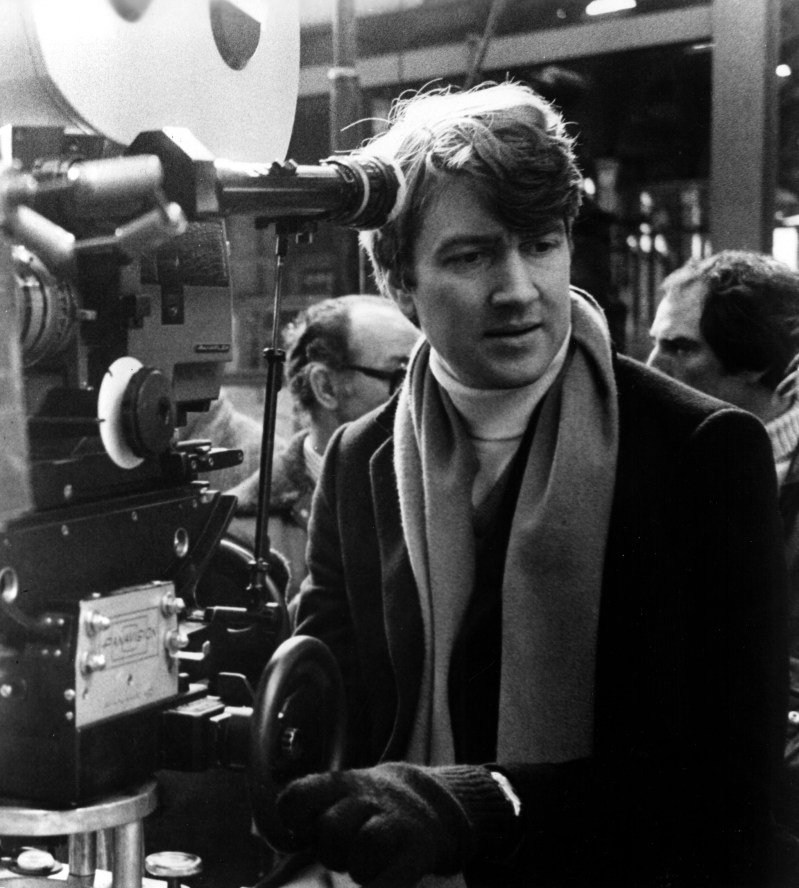
Lynch's film career is the bedrock of his financial success and artistic legacy. His directorial debut, Eraserhead (1977), a surrealist horror film, quickly established his unique voice and became a cult classic. This led to larger projects, including The Elephant Man (1980), which earned him Academy Award nominations for Best Director and Best Adapted Screenplay. His work on films like Blue Velvet (1986) and Wild at Heart (1990), which won the Palme d'Or at the Cannes Film Festival, solidified his reputation as a master of the macabre and the mysterious. Later triumphs such as Mulholland Drive (2001), originally conceived as a TV pilot, garnered him another Best Director Oscar nomination and numerous accolades, including the Best Director award at Cannes.
While some of his films, like Dune (1984), faced commercial challenges, Lynch's consistent critical acclaim and unique brand ensured he commanded significant fees for his directorial and writing services. His ability to attract top talent and secure financing for his distinctive projects, even those with challenging narratives like Lost Highway (1997) and Inland Empire (2006), speaks to his enduring value in the industry. These projects, often produced by major studios or independent financiers, provided upfront compensation and participation in distribution deals, contributing significantly to his overall wealth.
Television's Cult Classic: Twin Peaks and Beyond
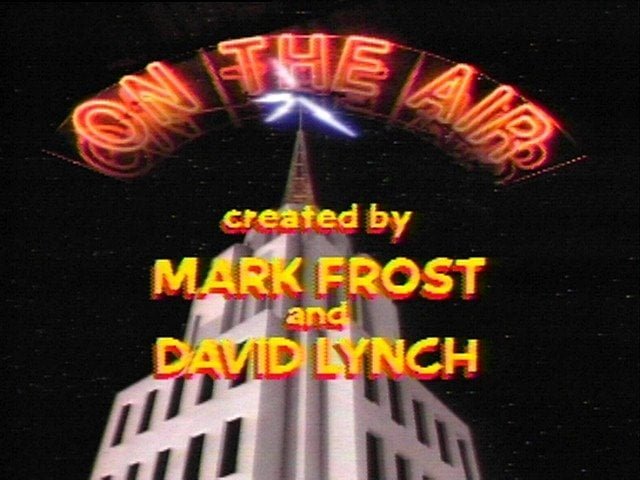
Beyond the silver screen, David Lynch achieved widespread fame and financial success through his groundbreaking television work, most notably Twin Peaks. Co-created with Mark Frost, the original series first aired on ABC in 1990 and ran for two seasons, concluding in 1991 with 30 episodes. Lynch served as an executive producer, writer, and director for several key episodes, including the pilot. The show became a cultural phenomenon, blending mystery, drama, and surrealism in a way never before seen on network television. Its enduring popularity led to the feature film prequel Twin Peaks: Fire Walk with Me (1992).
Decades later, Lynch returned to the beloved franchise with Twin Peaks: The Return, a limited series that premiered on Showtime in 2017. He directed all 18 episodes and co-wrote the entire season with Mark Frost. This highly anticipated revival demonstrated the lasting power of his creative vision and the commercial viability of his intellectual property. His involvement in the creation, writing, and directing of such a successful and influential series undoubtedly represented a significant portion of his earnings, including creator royalties and executive producer fees. Other television ventures, such as the HBO anthology series Hotel Room (1993), further diversified his income, albeit on a smaller scale.
Beyond the Screen: Art, Music, and Other Creative Pursuits
David Lynch's artistic endeavors extended far beyond filmmaking. He was a prolific painter, sculptor, and photographer, with his visual art often sharing the same dark, dreamlike aesthetic as his films. His works have been exhibited in prestigious galleries worldwide, including the Fondation Cartier pour l'Art Contemporain in Paris and the Pennsylvania Academy of the Fine Arts. Sales of his unique and highly sought-after paintings and drawings contributed a steady, if less publicized, stream of income throughout his career.
Additionally, Lynch was an accomplished musician, often collaborating on the soundtracks for his films and releasing several solo albums. His musical output, characterized by atmospheric soundscapes and blues-infused rock, includes albums like 'Crazy Clown Time' (2011) and 'The Big Dream' (2013), both released on the Sunday Best label. While not his primary income source, these musical projects, along with occasional acting roles in his own films and other productions, added to his overall financial portfolio, showcasing his boundless creativity and diverse talents.
Earnings Breakdown
| Income Source | Category | Est. Annual | Status |
|---|---|---|---|
| Film Directing & Production | TV | Varies by project | Past |
| Television Creation & Directing (Twin Peaks) | TV | Varies by season/project | Past |
| Visual Art Sales | Other | Varies by sales | Past |
| Music Releases & Soundtracks | Other | Licensing-based | Past |
| Acting Roles | TV | Appearance fees vary | Past |
Frequently Asked Questions
What was David Lynch's net worth?
At the time of his passing in early 2025, David Lynch's net worth was estimated to be around $60 million, accumulated from his extensive career in film, television, art, and music.
How did David Lynch make his money?
David Lynch earned his wealth primarily through his work as a director, writer, and producer for iconic films like Blue Velvet and Mulholland Drive, and television series such as Twin Peaks. He also generated income from his visual art sales and musical releases.
Was David Lynch an actor?
Yes, David Lynch occasionally took on acting roles, often appearing in his own films and television projects, such as his recurring role as Gordon Cole in Twin Peaks.
What are David Lynch's most famous works?
David Lynch is most famous for directing films like Eraserhead, The Elephant Man, Blue Velvet, and Mulholland Drive, as well as co-creating the highly influential television series Twin Peaks.
Conclusion
David Lynch's impact on cinema and art is immeasurable, and his financial legacy reflects a career dedicated to uncompromising artistic expression. His estimated net worth of $60 million at the time of his passing in early 2025 underscores the significant value generated by his unique vision across film, television, visual art, and music. Lynch proved that maintaining a distinct creative voice, even when challenging conventional tastes, can lead to both profound artistic achievement and substantial financial success, cementing his place as one of the most influential and financially successful auteur directors of his generation.