Originally posted on May 18, 2026 @ 2:59 am
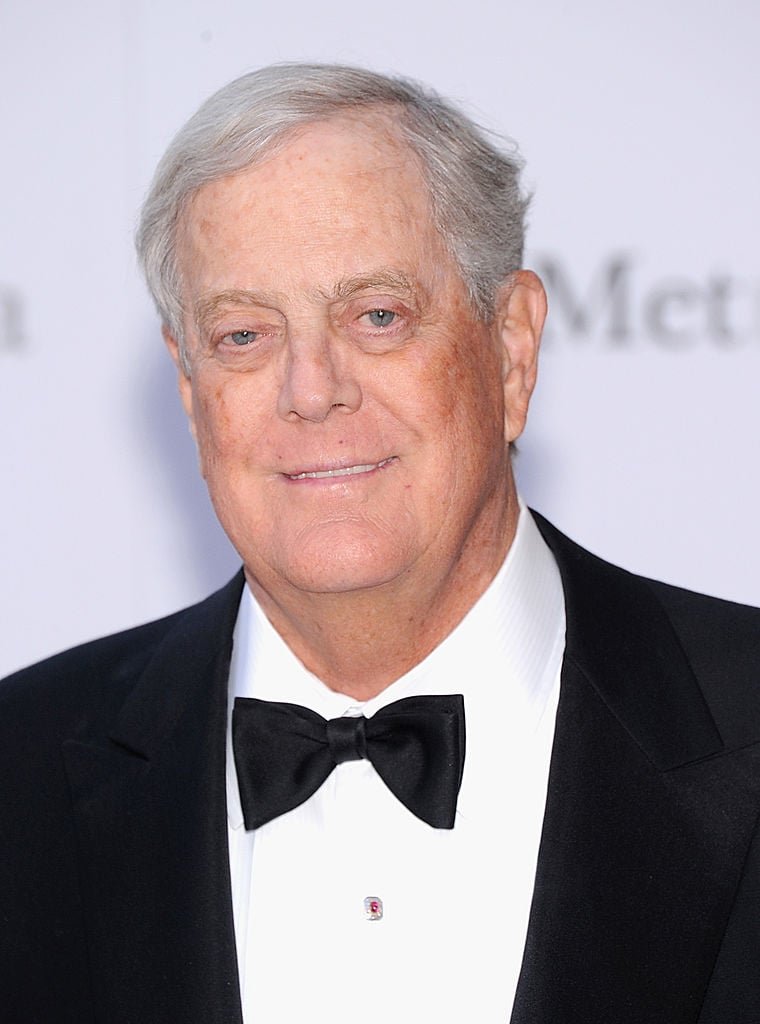
David Koch was a name synonymous with immense wealth, industrial power, and significant political influence. As a prominent American businessman, philanthropist, and political activist, he carved out a legacy that profoundly impacted both the economic and political landscapes of the United States. His journey from a chemical engineer to a billionaire industrialist is a testament to the scale and success of his family's enterprise.
At the time of his death in 2019, David Koch's net worth was estimated to be a staggering $58 billion. This colossal fortune placed him among the wealthiest individuals globally, a position he shared with his brother Charles Koch, as co-owners of the sprawling conglomerate, Koch Industries. Understanding the origins of this wealth requires a deep dive into the operations and strategic growth of this privately held industrial giant.
David Koch Net Worth: From Koch Industries to Libertarian Party Vice Presidential Candidate (1980)

David Koch's extraordinary net worth was fundamentally rooted in his substantial ownership stake in Koch Industries, a company that grew from humble beginnings into one of the largest privately held corporations in the world. Unlike many public figures whose wealth is tied to fluctuating stock markets, Koch's fortune was derived from the steady, diversified, and often opaque operations of a vast industrial empire. His role as Executive Vice President for many years, alongside his brother Charles, was crucial in steering the company's expansion into numerous sectors, from petroleum and chemicals to consumer products and ranching.
Quick Facts
| Known for | Co-owner of Koch Industries |
|---|---|
| Primary Industry | Diversified industrial conglomerate |
| Role | Executive Vice President (former) |
| Philanthropy | Significant donor to arts, medical research, and political causes |
| Net Worth (at death) | $58 billion |
Koch Industries: The Foundation of a Billion-Dollar Fortune
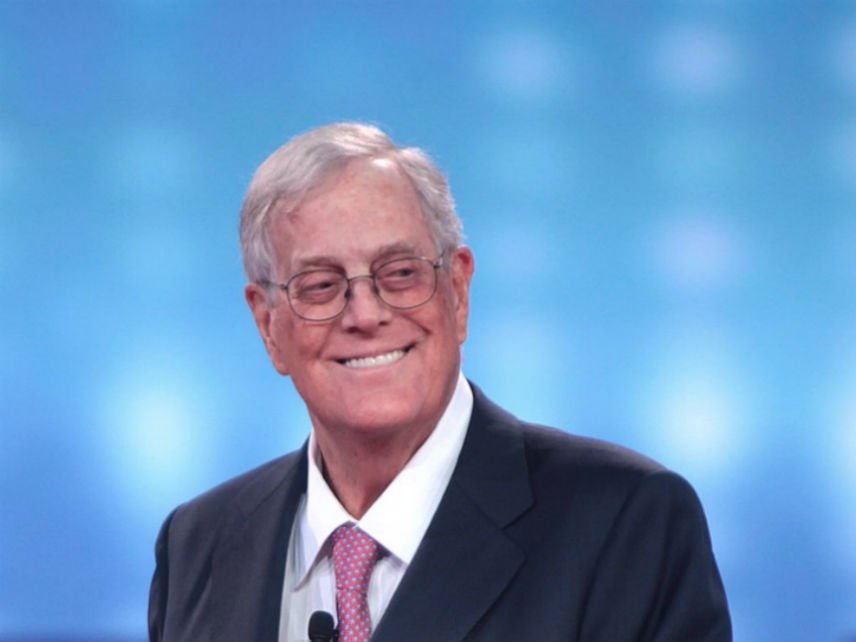
The bedrock of David Koch's wealth was Koch Industries, a diversified multinational conglomerate headquartered in Wichita, Kansas. Founded by his father, Fred C. Koch, in 1940 as a petroleum refining engineering firm, the company expanded dramatically under the leadership of David and Charles Koch. David joined the company in 1970 and served as Executive Vice President of Koch Industries from 1983 until his retirement in 2018.
Under their stewardship, Koch Industries diversified far beyond its oil refining roots. Today, its operations span a wide array of industries including chemicals, fertilizers, polymers and fibers, forest and consumer products (like Dixie cups and Brawny paper towels), electronic components, and even ranching. This broad diversification provided resilience against market fluctuations in any single sector, ensuring consistent revenue streams and profit generation. The company's private ownership structure allowed for long-term strategic planning without the pressures of quarterly public reporting, a factor many analysts believe contributed to its sustained growth and profitability.
Beyond Business: Philanthropy and Political Influence
While his business acumen built his fortune, David Koch was also widely known for his extensive philanthropic endeavors and significant political activism. He was a major donor to numerous cultural and medical institutions, particularly in New York City, where he resided. Notable contributions include substantial gifts to the Lincoln Center for the Performing Arts, the Metropolitan Museum of Art, and the American Museum of Natural History, often resulting in buildings or wings being named in his honor.
On the political front, David Koch was a staunch libertarian, famously running as the Libertarian Party's Vice Presidential candidate in 1980. Alongside his brother Charles, he became a central figure in conservative and libertarian political funding, establishing and supporting a network of think tanks and advocacy groups. While these activities were not direct income sources, they represented a powerful deployment of his vast wealth to shape public policy and discourse, further cementing his legacy as a figure of immense influence.
Earnings Breakdown
| Income Source | Category | Est. Annual | Status |
|---|---|---|---|
| Koch Industries Ownership | Business | Business revenue varies | Past |
| Executive Vice President Salary | Salary | Private, significant | Past |
| Inherited Wealth | Business | One-time inheritance, continuous growth | Past |
Frequently Asked Questions
What was David Koch's net worth?
At the time of his death in 2019, David Koch's net worth was estimated to be $58 billion, primarily derived from his ownership stake in Koch Industries.
How did David Koch make his money?
David Koch made his money as a co-owner and Executive Vice President of Koch Industries, a diversified industrial conglomerate. He also inherited a significant stake in the company from his father, Fred C. Koch.
What is Koch Industries?
Koch Industries is one of the largest privately held companies in the United States, with diverse operations including petroleum, chemicals, energy, pulp and paper, consumer products, and more. It is headquartered in Wichita, Kansas.
Was David Koch involved in politics?
Yes, David Koch was a prominent political activist. He ran as the Libertarian Party's Vice Presidential candidate in 1980 and, along with his brother Charles, was a major funder of conservative and libertarian political causes and organizations.
Conclusion
David Koch's life was a remarkable journey of business acumen, strategic growth, and profound influence. His net worth of $58 billion at the time of his passing stands as a testament to the enduring power and diversification of Koch Industries. Beyond the numbers, his legacy is etched into the cultural institutions he supported and the political movements he championed, leaving an indelible mark on American industry and society.