
Originally posted on May 16, 2026 @ 4:01 pm
Carl Edward Thompson Jr., universally known as Chucky Thompson, was a towering figure in the music industry, celebrated for his indelible contributions as a record producer. Born on July 12, 1968, Thompson became synonymous with the golden era of hip-hop and R&B, crafting the soundscapes for some of the genre's most iconic artists. His untimely passing on August 9, 2021, left a void, but his extensive discography continues to resonate, prompting interest in the financial legacy he cultivated throughout his illustrious career.
While specific figures for Chucky Thompson's net worth remain largely private and are not publicly disclosed, his wealth was undoubtedly built upon a foundation of prolific music production, songwriting credits, and his integral role within Sean Combs' Bad Boy Records. As a legendary 'sound shaper' and mentor, his work generated substantial income through production fees, royalties, and long-term affiliations with one of music's most successful labels.
Carl Edward Thompson Jr. Net Worth: From Bad Boy Records to Record Producer

Chucky Thompson's financial standing was a direct reflection of his immense talent and consistent output in the music industry. His primary income streams flowed from his work as a highly sought-after record producer, a role that commanded significant fees and generated ongoing royalties. Unlike many artists who rely on touring or album sales, Thompson's wealth was derived from being the architect behind the scenes, shaping the sound that defined an era. His deep involvement with Bad Boy Records, a powerhouse label, ensured a steady stream of high-profile projects and a share in the commercial success of the records he helped create. While an exact net worth figure is not publicly available, it's clear his professional endeavors created a substantial estate.
Quick Facts
| Born | July 12, 1968 |
|---|---|
| Died | August 9, 2021 |
| Known for | Record producer for Bad Boy Records |
| Key Affiliation | Bad Boy Entertainment |
| Notable Work | Producing for Mary J. Blige, Notorious B.I.G. |
Producing for Bad Boy Records and Beyond
The cornerstone of Chucky Thompson's career, and thus his financial success, was his pivotal role as a producer for Bad Boy Records. Under the guidance of Sean Combs, Thompson became a key member of 'The Hitmen,' Bad Boy's in-house production team. His work with the label began in the early 1990s and continued for many years, defining the signature 'Bad Boy sound.' This involved crafting beats, arranging music, and overseeing recording sessions for artists who would become household names.
Thompson's production credits are extensive and include seminal albums and tracks for artists like The Notorious B.I.G., Mary J. Blige, Faith Evans, Usher, and Nas. Each production gig typically involved an upfront fee, which could range from tens of thousands to hundreds of thousands of dollars per track, depending on the artist's stature and the producer's reputation. Beyond the initial fee, producers also earn performance royalties from record sales, streaming, and radio airplay, which can accumulate significantly over decades for hit records. His work on albums like Mary J. Blige's My Life (released 1994) and The Notorious B.I.G.'s Ready to Die (released 1994) ensured a continuous flow of royalty income for his estate long after their initial release.
Royalties and Catalog Value: A Lasting Financial Impact
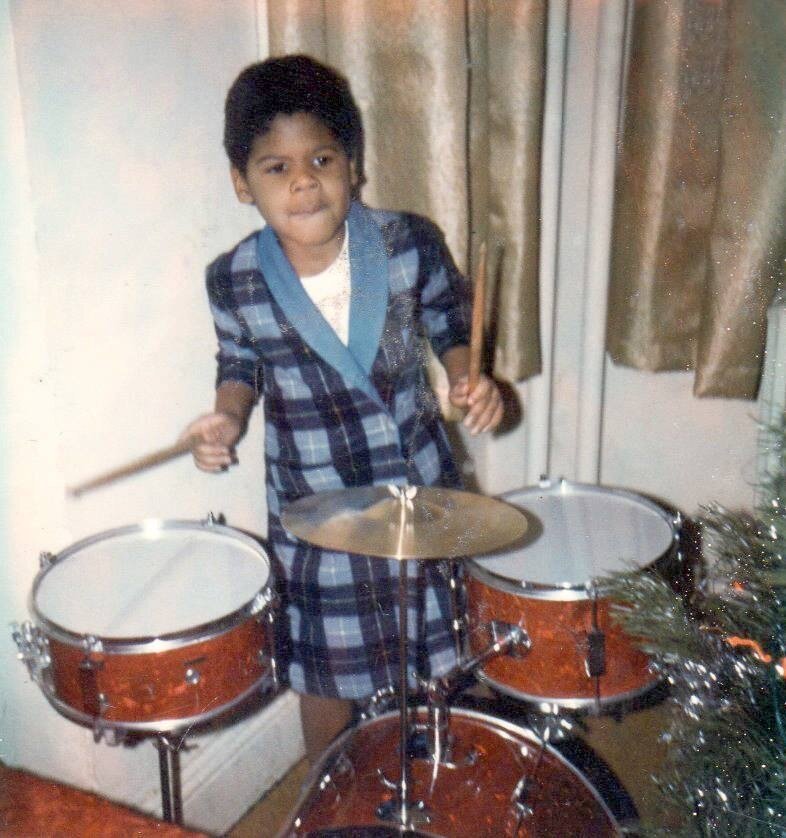
A significant portion of Chucky Thompson's long-term financial legacy comes from the enduring value of his music catalog. As a producer and often a co-writer, he earned royalties from every sale, stream, and public performance of the songs he worked on. These royalties are passive income streams that continue to generate revenue for his estate, even after his passing. The sheer volume of hit records he produced means that his catalog is a valuable asset, providing consistent earnings.
The music industry's shift towards streaming platforms has changed how royalties are distributed, but it has also ensured that classic tracks remain accessible and continue to generate income. Thompson's work with artists like Mary J. Blige and The Notorious B.I.G. are considered timeless, guaranteeing their continued play and, consequently, ongoing royalty payments. This evergreen nature of his work underscores how a producer's financial impact can extend far beyond their active career, creating a lasting legacy for their beneficiaries.
Earnings Breakdown
| Income Source | Category | Est. Annual | Status |
|---|---|---|---|
| Music Production Fees | Music | Varies by project | Past |
| Performance Royalties (Producer) | Music | Licensing-based | Active |
| Songwriting/Publishing Royalties | Music | Licensing-based | Active |
| Bad Boy Entertainment Affiliation | Music | Varies by contract | Past |
Frequently Asked Questions
What was Chucky Thompson's primary source of income?
Chucky Thompson's primary source of income was his work as a highly successful record producer, earning fees for his production services and ongoing royalties from the sales and airplay of the numerous hit songs he created.
Who did Chucky Thompson produce music for?
Chucky Thompson produced for a wide array of prominent artists, most notably for Bad Boy Records artists like The Notorious B.I.G. and Faith Evans, as well as for Mary J. Blige, Usher, Nas, and many others across hip-hop and R&B.
Was Chucky Thompson part of Bad Boy Records?
Yes, Chucky Thompson was an integral member of the Bad Boy Entertainment production team, often referred to as 'The Hitmen,' and was crucial in shaping the label's distinctive sound.
When did Chucky Thompson pass away?
Chucky Thompson passed away on August 9, 2021, at the age of 53.
Conclusion
Chucky Thompson's impact on music is undeniable, and his financial legacy, though private, reflects a career dedicated to crafting timeless sounds. As a key architect of the Bad Boy Records era, his work as a record producer generated substantial wealth through production fees and enduring royalties. His contributions continue to resonate, ensuring that the music he helped create will provide a lasting financial imprint for his estate. Thompson's story is a testament to the significant, often unseen, financial power wielded by the producers who shape the sound of popular culture.