Originally posted on May 13, 2026 @ 8:15 pm
Bill Withers, the revered American singer-songwriter whose soulful voice and profound lyrics gave us anthems like 'Lean On Me' and 'Ain't No Sunshine', carved out a unique place in music history. Despite a relatively short recording career, his impact was monumental, and his compositions continue to resonate globally. At the time of his passing in 2020, Bill Withers' net worth was estimated to be around $25 million, a testament to the enduring power and financial wisdom behind his timeless catalog.
Withers' journey from a factory worker making aircraft toilet seats to a three-time Grammy Award winner is a remarkable story of raw talent and artistic integrity. His decision to step away from the music industry in the mid-1980s, while maintaining ownership of his publishing rights, proved to be a shrewd financial move that ensured his wealth would continue to grow long after his active performing days concluded. His legacy is not just in the millions of records sold, but in the continuous stream of royalties generated by his beloved songs.
Bill Withers Net Worth: From Ain't No Sunshine to Lean On Me
Bill Withers' financial standing, estimated at $25 million, primarily stemmed from his extraordinary songwriting talent and his strategic control over his musical creations. Unlike many artists who lose ownership of their work, Withers fought to retain his publishing rights, a decision that paid dividends for decades. This allowed him to benefit directly from every play, cover, and license of his iconic songs, ensuring a steady and substantial income stream that continued even after his retirement from recording. His wealth was built on the foundation of universal appeal and the timeless quality of his compositions, which transcend generations and genres.
Quick Facts
| Known for | Singer-songwriter of 'Lean On Me', 'Ain't No Sunshine', 'Lovely Day' |
|---|---|
| Born | July 4, 1938 |
| Died | March 30, 2020 |
| Grammy Awards | 3 wins |
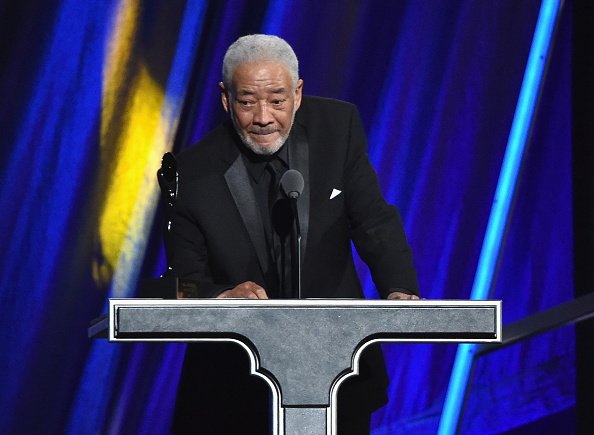
| Rock and Roll Hall of Fame | Inducted 2015 |
Royalties from Timeless Hits
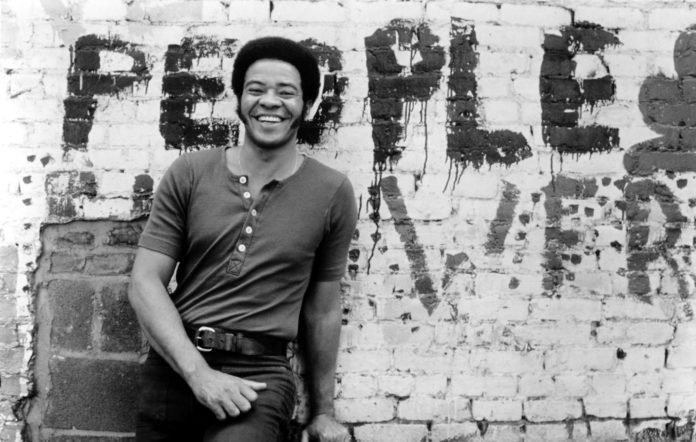
The backbone of Bill Withers' net worth was undoubtedly the continuous flow of royalties from his extensive catalog of hit songs. Tracks such as 'Ain't No Sunshine' (released 1971), 'Lean On Me' (released 1972), and 'Lovely Day' (released 1977) are not just classics; they are staples of popular culture. These songs have been licensed countless times for films, television shows, commercials, and sampled by other artists, generating significant income through performance, mechanical, and synchronization royalties.
His compositions have been covered by hundreds of artists across various genres, each new rendition contributing to his publishing income. The enduring popularity of these songs means they are consistently streamed on digital platforms and played on radio stations worldwide, ensuring a perpetual revenue stream. This consistent demand for his music, decades after its initial release, highlights the immense value of his artistic output and his foresight in managing his intellectual property.
Songwriting and Publishing Rights Ownership
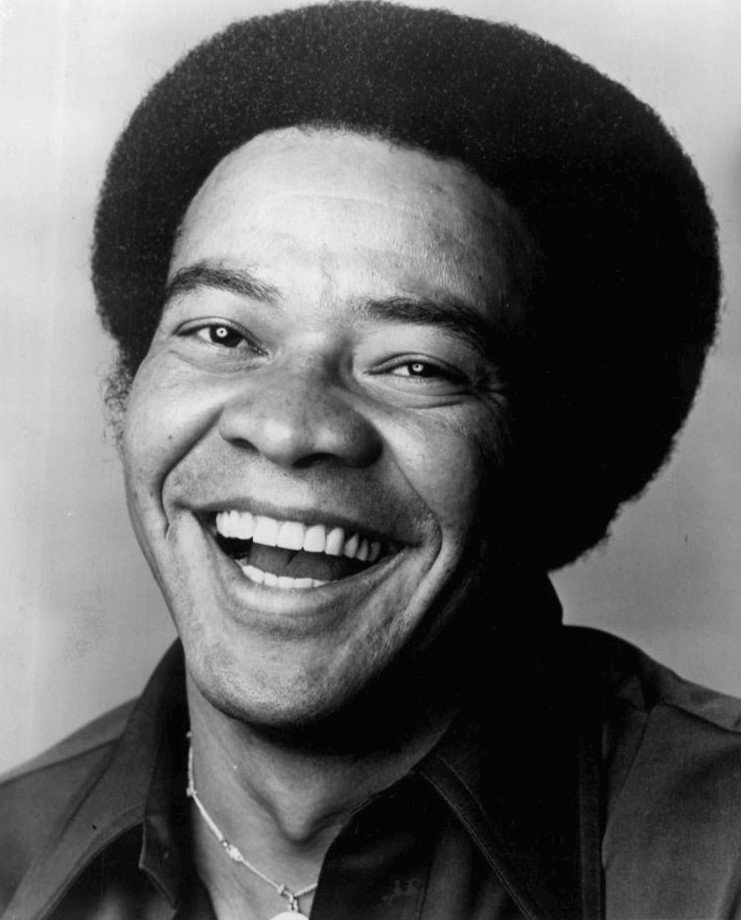
A critical factor in Bill Withers' financial success was his unwavering commitment to owning his songwriting and publishing rights. After experiencing frustrations with the music industry, particularly Columbia Records, Withers made a conscious decision to step back from recording in the mid-1980s. However, he maintained a firm grip on the ownership of his master recordings and compositions, a move that many artists only dream of achieving.
This ownership meant that he, not a record label or publisher, controlled how his music was used and received the lion's share of the income generated. This strategic control over his intellectual property is what truly cemented his financial independence and allowed his wealth to accumulate steadily over the years, long after he stopped releasing new material. It's a powerful example of how artists can secure their financial future by understanding and asserting their rights.
Album Sales and Critical Acclaim
Throughout his active career, Bill Withers released a series of critically acclaimed albums that contributed significantly to his early wealth. Albums like 'Just as I Am' (1971), featuring 'Ain't No Sunshine', and 'Still Bill' (1972), which included 'Lean On Me' and 'Use Me', achieved commercial success and garnered widespread praise. These albums established him as a formidable force in soul music and continue to sell in various formats, from vinyl to digital downloads, in 2026.
His musical output earned him three Grammy Awards, including Best R&B Song for 'Ain't No Sunshine' in 1971 and 'Lean On Me' in 1972, further solidifying his status and increasing the commercial viability of his work. His induction into the Rock and Roll Hall of Fame in 2015 also sparked renewed interest in his discography, leading to spikes in sales and streaming figures, demonstrating the lasting appeal of his artistic contributions.
Earnings Breakdown
| Income Source | Category | Est. Annual | Status |
|---|---|---|---|
| Music Royalties & Licensing | Music | Licensing-based | Active |
| Songwriting & Publishing | Music | Varies by usage | Active |
| Album & Digital Sales | Music | Book sales vary | Active |
| Live Performances | Music | Appearance fees vary | Past |
Frequently Asked Questions
What was Bill Withers' net worth at the time of his death?
Bill Withers' net worth was estimated to be $25 million at the time of his death in March 2020. This figure is widely reported by various financial and entertainment news outlets.
How did Bill Withers make his money?
Bill Withers primarily earned his wealth through music royalties, songwriting, and the strategic ownership of his publishing rights for his iconic songs like 'Lean On Me', 'Ain't No Sunshine', and 'Lovely Day'. His albums also contributed significantly to his earnings.
Did Bill Withers own his master recordings?
Yes, Bill Withers famously fought to gain and maintain ownership of his publishing rights and master recordings. This control was crucial to his long-term financial success and allowed him to profit directly from the use of his music.
When did Bill Withers retire from the music industry?
Bill Withers largely retired from recording new music in the mid-1980s, specifically after his contract with Columbia Records ended. Despite this, his existing catalog continued to generate substantial income.
Conclusion
Bill Withers' story is a powerful reminder that true artistic value, coupled with astute business decisions, can create a lasting legacy far beyond the stage. His estimated $25 million net worth reflects not just the popularity of his songs, but his wisdom in controlling his creative output. Even years after his passing in 2020, his music continues to inspire, comfort, and generate income, cementing his status as one of soul music's most cherished and financially savvy legends.