Originally posted on May 13, 2026 @ 5:49 am
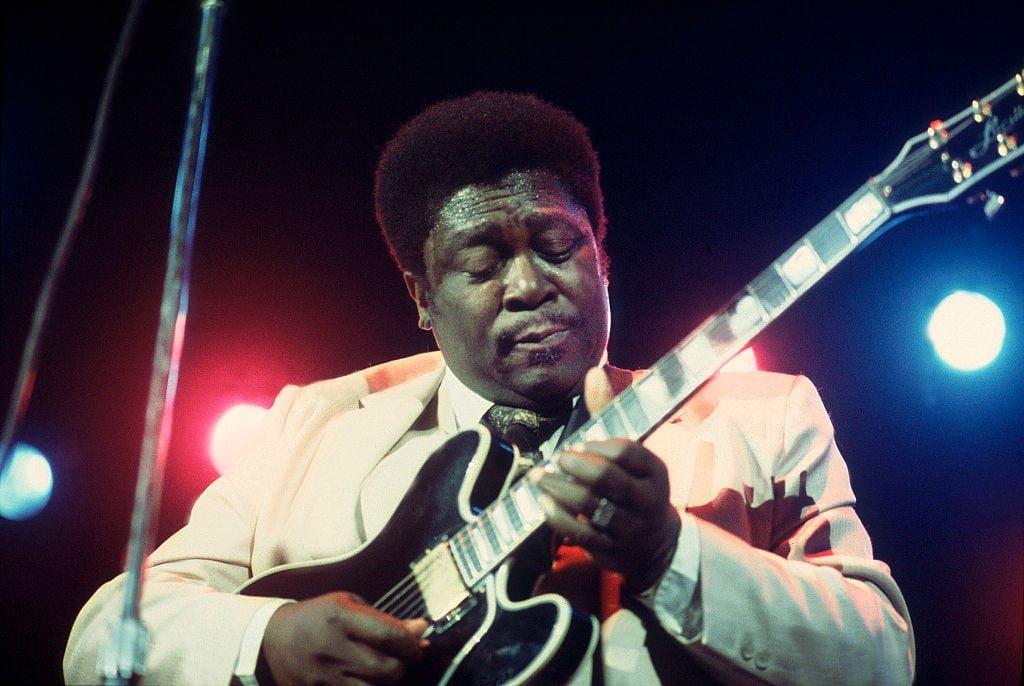
Riley B. King, universally known as B.B. King, wasn't just a musician; he was an institution, a towering figure whose guitar, 'Lucille,' sang with a voice as soulful as his own. From the cotton fields of Mississippi to global stages, King defined the blues for generations, influencing countless artists across genres. His enduring appeal and relentless work ethic translated into a significant financial legacy, even as his personal life faced challenges.
At the time of his passing in 2015, the legendary bluesman's net worth was estimated to be around $10 million. While some reports suggested figures as high as $30 million during his peak, the $10 million figure is a widely cited and cautious estimate of his estate value. This sum represents the culmination of a career that saw him earn well over $100 million, primarily through an unparalleled commitment to live performances and a discography that continues to resonate today.
B.B. King Net Worth: From The Thrill Is Gone to Live at the Regal
B.B. King's financial success wasn't built on a single hit or a fleeting trend; it was the result of a lifetime dedicated to his craft. His income streams were as consistent and reliable as his guitar playing, primarily fueled by an almost non-stop touring schedule that saw him perform thousands of concerts worldwide. Beyond the stage, his extensive catalog of recordings, including iconic tracks like 'The Thrill Is Gone,' generated substantial royalties. These core activities, supplemented by merchandise sales and occasional endorsements, formed the bedrock of his estimated $10 million net worth at the time of his death in 2015.
Quick Facts
| Born | September 16, 1925 |
|---|---|
| Died | May 14, 2015 |
| Occupation | Musician, Singer, Songwriter |
| Genre | Blues |
| Signature Guitar | Lucille |
A Lifetime of Live Performances and Touring
For B.B. King, the road was home. He was legendary for his grueling touring schedule, often playing 250 to 300 shows a year well into his later life. This commitment to live performance was undoubtedly his most significant income generator. Each concert, whether in a small club or a grand arena, contributed directly to his earnings, allowing him to connect with fans globally and maintain a steady revenue stream for over six decades. This tireless work ethic not only solidified his reputation as a blues icon but also ensured a consistent flow of income that few musicians could match.
His tours were not just about playing music; they were cultural events, drawing diverse audiences who wanted to witness the master at work. The sheer volume of his performances meant that even modest per-show earnings accumulated into a vast fortune over his career. The Financial Times reported that most of his income came from live performances, underscoring the importance of his relentless touring to his overall financial picture.
Recordings and Royalties: The Soundtrack of a Career
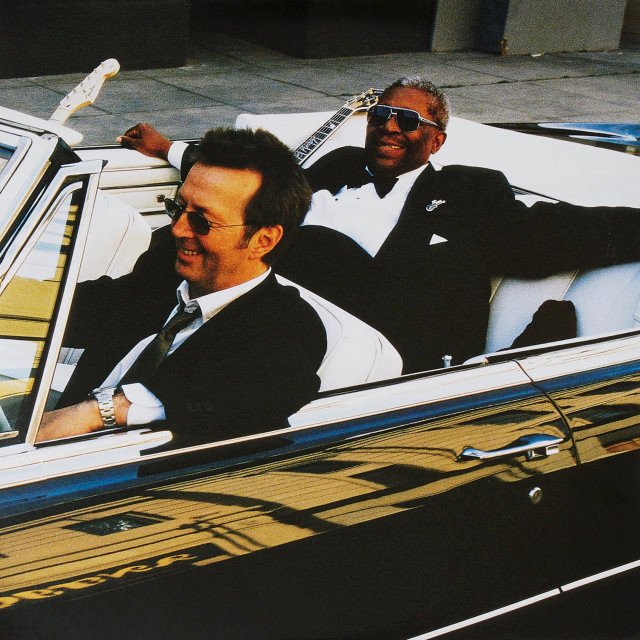
Beyond the stage, B.B. King's prolific recording career provided a steady and long-lasting source of income. With dozens of albums released over his career, his music catalog is a treasure trove of blues history. His 1969 rendition of 'The Thrill Is Gone' became a crossover hit, earning him a Grammy Award and introducing his sound to a broader audience. This success, along with other popular albums like 'Live at the Regal' (1965), ensured continuous royalty payments from album sales, radio play, and later, digital streaming.
The longevity of his music meant that even years after their initial release, his recordings continued to generate revenue. His distinctive guitar style and soulful vocals ensured that his albums remained popular, contributing significantly to his wealth through ongoing royalties and licensing fees for his timeless tracks.
Merchandise, Endorsements, and Licensing
As a globally recognized figure, B.B. King's brand extended beyond just his music. Sales of merchandise, including apparel, posters, and memorabilia featuring his likeness or his iconic guitar 'Lucille,' added to his income. Fans eagerly purchased these items, eager to own a piece of the blues legend's legacy. While specific figures are often private, such sales can be substantial for artists with a dedicated fanbase.
Furthermore, King's stature led to various endorsement and licensing opportunities. While he was selective, his association with certain brands or the use of his music in commercials or films provided additional revenue streams. These ventures, though perhaps not as dominant as his touring or recording income, showcased the commercial power of his enduring image and contributed to his overall financial health.
Earnings Breakdown
| Income Source | Category | Est. Annual | Status |
|---|---|---|---|
| Live Performances & Touring | Salary | Varies by tour schedule | Past |
| Album Sales & Royalties | Other | Licensing-based | Past |
| Merchandise Sales | Merchandise | Varies by demand | Past |
| Endorsement Deals | Brand | Project-based | Past |
Frequently Asked Questions
What was B.B. King's net worth when he died?
B.B. King's net worth was estimated to be around $10 million at the time of his death in 2015, based on widely reported figures of his estate.
How did B.B. King earn most of his money?
B.B. King earned the majority of his wealth through extensive live performances and touring, often playing hundreds of shows annually, alongside significant royalties from his vast catalog of recordings and album sales.
Did B.B. King have other businesses?
While B.B. King was primarily a musician, his name and brand were associated with ventures like B.B. King's Blues Clubs, which contributed to his overall brand value and potentially some licensing income, though his direct ownership and earnings from these were not his primary focus.
How many Grammy Awards did B.B. King win?
B.B. King won 15 Grammy Awards throughout his illustrious career, including a Lifetime Achievement Award, recognizing his profound impact on music.
Conclusion
B.B. King's financial journey mirrors his musical one: a testament to hard work, dedication, and an unwavering passion for the blues. His estimated $10 million net worth at the time of his passing in 2015 reflects a career that generated over $100 million in earnings, primarily through his legendary touring and timeless recordings. His legacy, however, extends far beyond monetary figures, residing in the hearts of millions who continue to be moved by the soulful cry of his guitar, Lucille, and the enduring power of his music.