
Originally posted on May 19, 2026 @ 1:23 am
When people talk about 'Disney Net Worth,' they're often referring to the immense financial valuation of The Walt Disney Company, a global entertainment and media conglomerate that has shaped popular culture for over a century. From its humble beginnings in 1923 with founders Walt and Roy O. Disney, the company has grown into an unparalleled empire encompassing film studios, television networks, theme parks, and cutting-edge streaming services.
As of 2026, the company's market capitalization, a key indicator of its overall value, stands at an estimated $175.68 billion. While the year 2020 presented unique challenges for many industries, including entertainment, Disney's resilience and diverse portfolio have allowed it to navigate economic shifts, continually adapting its strategies to maintain its position as a dominant force in the global marketplace. Understanding Disney's net worth means delving into the multifaceted revenue streams that fuel this iconic brand.
The Walt Disney Company Net Worth: From Disney Parks to Disney+
The Walt Disney Company's net worth story starts with Theme Parks, Experiences and Products, but it does not stop there. Media and Entertainment Distribution, Licensing and Intellectual Property, Media and Entertainment Distribution (Studios), and Media and Entertainment Distribution (Networks) help explain why the estimate is built from several connected pieces rather than one simple paycheck. This section is only a brief map of those lanes before the deeper breakdown begins.
Quick Facts
| Founded | October 16, 1923 |
|---|---|
| Founders | Walt Disney, Roy O. Disney |
| Headquarters | Burbank, California, U.S. |
| CEO (as of 2026) | Bob Iger |
| Primary Business | Media and Entertainment, Parks and Experiences |
Theme Parks, Experiences and Products: The Heart of Disney's Empire
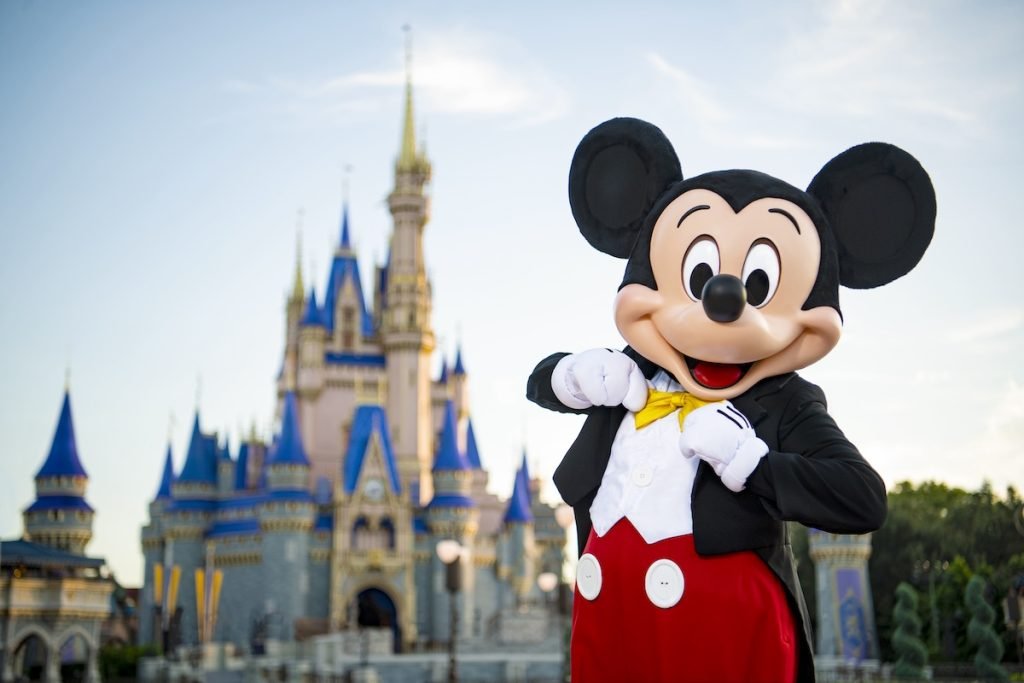
One of Disney's most recognizable and significant income generators is its Parks, Experiences and Products division. This segment includes the globally renowned Disney Parks, such as Disneyland Resort in California, Walt Disney World Resort in Florida, and international parks in Tokyo, Paris, Hong Kong, and Shanghai. These destinations, along with Disney Cruise Line and Disney Vacation Club, generate billions in revenue through ticket sales, accommodations, food and beverage, and merchandise.
The impact of the 2020 global events was acutely felt in this division, leading to temporary closures and reduced capacity, which significantly affected revenue. However, the long-term appeal and brand loyalty associated with Disney's immersive experiences ensure its continued importance. Beyond the physical locations, the consumer products arm licenses Disney's vast catalog of characters and stories for toys, apparel, and other merchandise, extending the brand's reach into homes worldwide.
Media and Entertainment Distribution: From Broadcast to Streaming Dominance
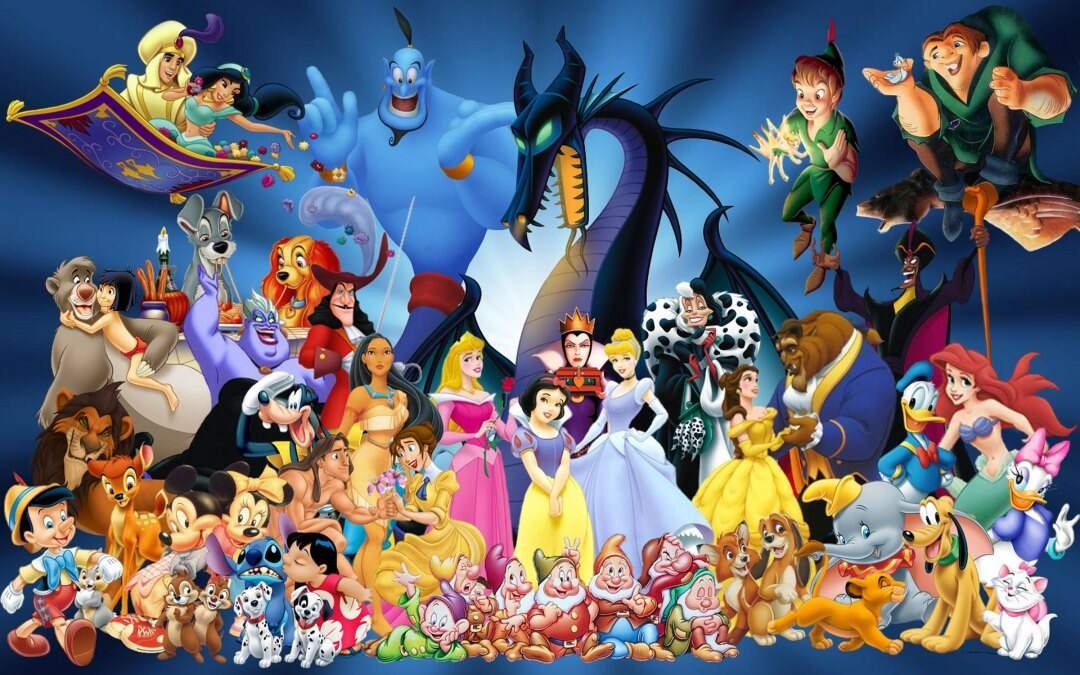
The Disney Media & Entertainment Distribution segment is a powerhouse, encompassing the company's film studios, television networks, and its rapidly expanding direct-to-consumer streaming services. Iconic studios like Walt Disney Pictures, Pixar Animation Studios, Marvel Studios, and Lucasfilm (the home of Star Wars) consistently produce blockbuster films that drive theatrical revenue and subsequent home entertainment sales.
On the television front, Disney owns major networks like ABC and a significant stake in ESPN, generating revenue through advertising and affiliate fees. The strategic pivot towards streaming has been a game-changer, with Disney+, Hulu, and ESPN+ becoming central to the company's future growth. Launched in 2019, Disney+ quickly amassed millions of subscribers, leveraging its unparalleled library of content from Disney, Pixar, Marvel, Star Wars, and National Geographic, proving its ability to adapt to evolving consumer consumption habits.
The Enduring Power of Intellectual Property: A Legacy of Storytelling
At the core of Disney's immense valuation is its unparalleled portfolio of intellectual property. The company's ability to create, acquire, and monetize beloved characters and stories across multiple platforms is a testament to its enduring financial strength. From classic Disney princesses to the expansive universes of Marvel superheroes and the epic sagas of Star Wars, these franchises are not just films or shows; they are global phenomena that fuel merchandise sales, theme park attractions, video games, and new content creation.
This vast library of IP provides a continuous stream of licensing revenue and forms the bedrock for new ventures, ensuring that Disney remains relevant and profitable for generations to come. The strategic acquisitions of Pixar, Marvel, and Lucasfilm have significantly broadened Disney's appeal and diversified its content offerings, cementing its position as a leader in storytelling and entertainment.
Earnings Breakdown
| Income Source | Category | Est. Annual | Status |
|---|---|---|---|
| Theme Parks, Experiences and Products | Business | Varies by attendance/tourism | Active |
| Media & Entertainment Distribution (Studios) | Business | Varies by film releases/performance | Active |
| Media & Entertainment Distribution (Networks) | Business | Varies by advertising/subscriptions | Active |
| Media & Entertainment Distribution (Streaming) | Business | Varies by subscriber growth | Active |
| Consumer Products & Licensing | Brand | Licensing-based | Active |
Frequently Asked Questions
What is The Walt Disney Company's net worth in 2026?
As of May 2026, The Walt Disney Company's market capitalization, often used as its net worth, is estimated at $175.68 billion.
How did Disney's financials look in 2020?
In 2020, The Walt Disney Company reported revenues of $65.388 billion and a net loss of $2.864 billion, primarily due to the global impact on its theme parks and theatrical releases.
What are Disney's main sources of income?
Disney's primary income sources include its global theme parks, resorts, and consumer products; its film studios and television networks (like ABC and ESPN); and its direct-to-consumer streaming services such as Disney+, Hulu, and ESPN+.
What is market capitalization and how does it relate to Disney's net worth?
Market capitalization is the total value of a company's outstanding shares, calculated by multiplying the current share price by the number of shares. For public companies like Disney, market capitalization is commonly used as a proxy for its overall valuation or 'net worth' in the financial world.
Conclusion
The Walt Disney Company's journey from a small animation studio to a multi-billion-dollar global entertainment conglomerate is a testament to its innovative spirit and strategic vision. With an estimated market capitalization of $175.68 billion as of 2026, Disney continues to leverage its iconic brands, expansive theme parks, and cutting-edge media distribution to maintain its financial prowess. Despite challenges like those faced in 2020, the company's ability to adapt and expand its reach, particularly in the streaming landscape, solidifies its position as an enduring force in the entertainment industry.