Originally posted on May 21, 2026 @ 7:17 pm
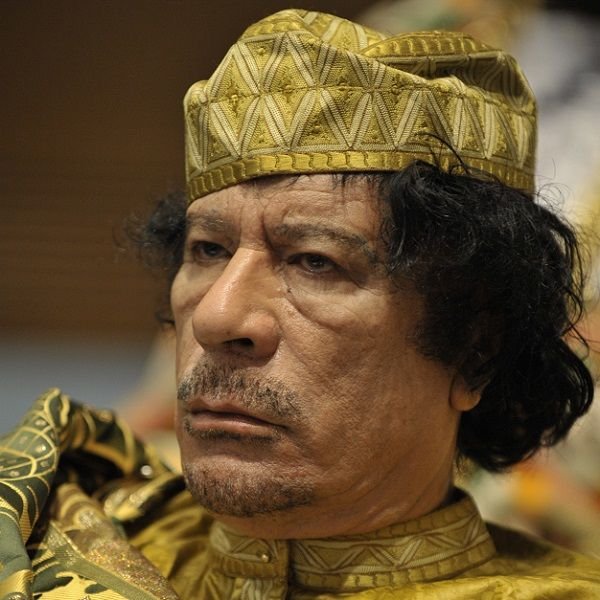
Muammar Gaddafi, the idiosyncratic and often brutal leader who ruled Libya for 42 years, remains a figure of intense historical debate. Beyond his political legacy, the sheer scale of his alleged personal wealth has long captivated researchers and the public alike. At the time of his death in 2011, estimates of his hidden net worth were truly staggering, placing him among the wealthiest individuals in history.
While precise figures are inherently difficult to verify for a leader whose financial dealings were shrouded in secrecy, various reports and investigations have attempted to quantify the fortune Gaddafi and his inner circle amassed. The consensus among several sources points to an estimated Muammar Gaddafi net worth of around $200 billion, a sum that speaks volumes about the extent of his control over Libya's national resources.
Muammar Gaddafi Net Worth: From Leadership of Libya to The Green Book
The estimated $200 billion net worth attributed to Muammar Gaddafi is not merely a number; it represents the alleged culmination of decades of unchecked power and control over a resource-rich nation. This figure, often cited by various international bodies and media outlets following his demise, positions him as one of the richest historical figures ever. While other estimates have ranged from $70 billion to as high as $290 billion, the $200 billion mark frequently appears in discussions regarding his hidden wealth.
Quick Facts
| Known for | Former leader of Libya |
|---|---|
| Role | Revolutionary, politician, dictator |
| Reign | 1969-2011 (42 years) |
| Estimated Wealth Source | Control over state assets, oil sector investments, trade, infrastructure |
| Death | October 20, 2011 |
Control Over Libya's Oil Wealth
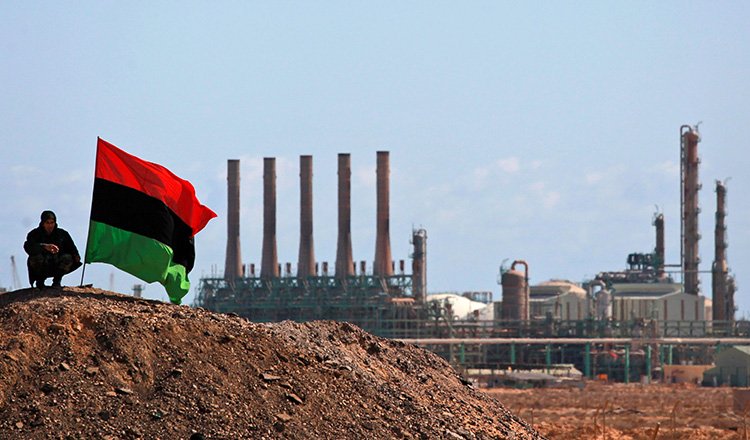
At the heart of Muammar Gaddafi's alleged fortune was his iron grip on Libya's lucrative oil sector. As the leader of an OPEC nation with some of the largest proven oil reserves in Africa, Gaddafi effectively controlled the primary source of national income. The state-owned National Oil Corporation (NOC), based in Tripoli, managed the exploration, production, and export of crude oil, generating billions of dollars annually.
Under Gaddafi's regime, these revenues were not transparently managed for the benefit of the Libyan people. Instead, a significant portion was allegedly diverted into personal and family accounts, often through opaque deals and shell companies. This direct control over the nation's most valuable asset provided the foundational capital for the vast wealth attributed to him, allowing for the accumulation of funds that dwarfed the personal fortunes of many legitimate business moguls.
State Assets and International Investments
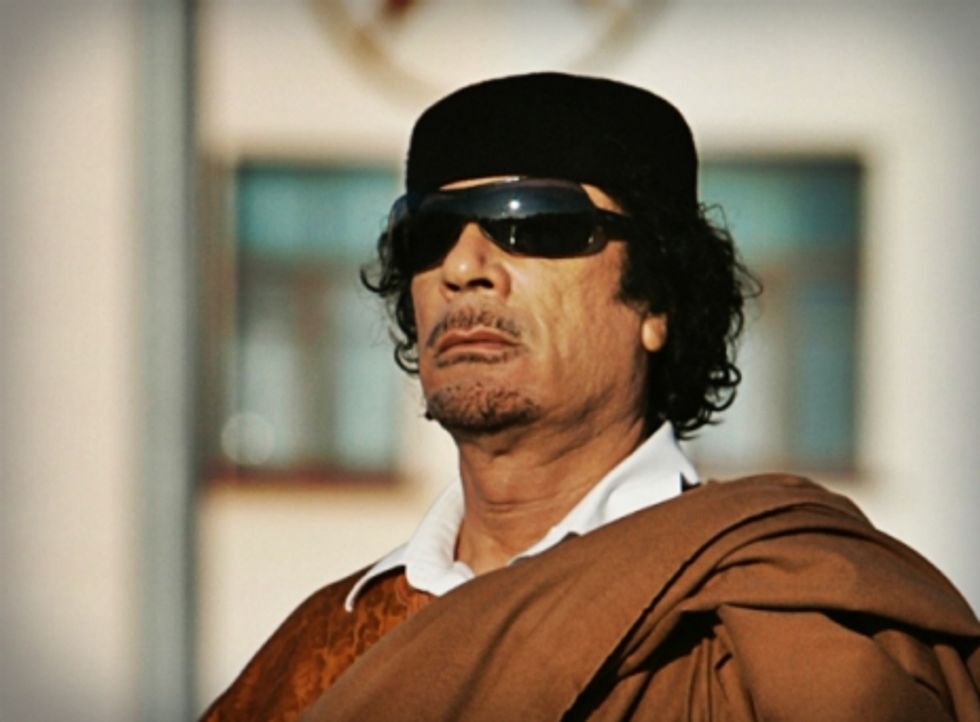
Beyond direct control of oil revenues, Gaddafi's alleged wealth was also built through the systematic exploitation of state assets and extensive international investments. Investigations after his death revealed that billions of dollars belonging to the Libyan state, including funds from the Libyan Investment Authority (LIA), a sovereign wealth fund, were allegedly used for personal and family enrichment.
These funds were reportedly invested globally in a diverse portfolio of assets, including real estate, banking, and industrial holdings across Europe, North America, and beyond. These investments were often made through a network of proxies, front companies, and offshore accounts, designed to obscure their true ownership. This strategy allowed Gaddafi and his inner circle to maintain control over vast sums of money outside of Libya, effectively creating a parallel financial empire funded by the state's resources.
Corruption and Embezzlement Allegations
The accumulation of Muammar Gaddafi's estimated $200 billion net worth is inextricably linked to widespread allegations of corruption and embezzlement throughout his 42-year rule. His regime was characterized by a lack of accountability and transparency, creating an environment ripe for illicit financial practices. Reports from various international organizations and governments detailed how Gaddafi's family and loyalists benefited from preferential treatment in state contracts, import licenses, and access to foreign currency.
These practices extended to major infrastructure projects and trade deals, where kickbacks and inflated costs allegedly siphoned off public funds. The wealth was not merely held in cash; it was reportedly diversified into luxury properties, private jets, and other high-value assets, both within Libya and internationally. The legacy of this alleged financial malfeasance continues to impact Libya, as efforts to trace and repatriate these stolen assets have proven complex and challenging, underscoring the long-term consequences of such extensive corruption.
Earnings Breakdown
| Income Source | Category | Est. Annual | Status |
|---|---|---|---|
| Control over Libyan Oil Sector | Business | Billions diverted annually | Past |
| State Asset Exploitation | Business | Varies by transaction | Past |
| International Investments | Business | Returns varied | Past |
| Trade and Infrastructure Kickbacks | Business | Varies by project | Past |
Frequently Asked Questions
What was Muammar Gaddafi's estimated net worth?
Muammar Gaddafi's estimated net worth at the time of his death was around $200 billion, though this figure is based on various reports of his hidden wealth and remains highly debated and unverified.
How did Muammar Gaddafi accumulate his wealth?
Gaddafi's wealth was primarily accumulated through his absolute control over Libya's state assets, particularly its vast oil revenues. Funds were allegedly diverted from the national oil corporation and sovereign wealth fund into personal and family accounts, often through international investments and shell companies.
Was Muammar Gaddafi the richest person in the world?
While estimates of his wealth placed him among the richest individuals in history, and some reports claimed he was the world's richest man at the time of his death, the exact figures are disputed and difficult to confirm. His wealth was largely state-derived and hidden, unlike the publicly verifiable fortunes of billionaires.
What happened to Muammar Gaddafi's wealth after his death?
After Gaddafi's death, many countries froze billions of dollars in Libyan state assets that were believed to be under his control. Efforts to trace and repatriate these funds to the Libyan people have been ongoing but are complicated by the intricate network of offshore accounts and shell companies used to hide the wealth.
Conclusion
Muammar Gaddafi's legacy is a complex tapestry woven with political upheaval, revolutionary ideology, and profound financial controversy. His estimated $200 billion net worth stands as a stark reminder of the immense power and potential for corruption inherent in unchecked authoritarian rule. While the exact figures of his hidden fortune may never be fully verified, the consistent reporting of such staggering sums underscores the scale of wealth allegedly siphoned from the Libyan state.
The story of Gaddafi's wealth is not just about a single individual's riches; it's a narrative about the exploitation of national resources and the enduring challenge of recovering assets for the benefit of a nation. His financial footprint continues to be a subject of international scrutiny, highlighting the long-term consequences of a dictator's grip on a country's economic destiny.