Originally posted on May 16, 2026 @ 4:23 am
When the term 'China Net Worth' appears, it's crucial to understand that it does not refer to the personal wealth of an individual celebrity or public figure. Instead, this phrase is commonly used in economic discussions to describe the aggregate financial strength and total wealth of the People's Republic of China as a nation. As of 2026, understanding China's economic landscape involves looking at its vast financial assets, household wealth, and the distribution of income across its massive population.
This article aims to clarify this common misconception, providing an overview of what 'China Net Worth' truly signifies in an economic context. We will delve into the national wealth, the growth of its economy, and how household wealth contributes to the overall picture, drawing on publicly available data and estimates to illustrate the scale of China's economic power.
China Net Worth Net Worth: From Not a person or celebrity to Clarifying 'China ': Not an
The primary point of confusion surrounding 'China Net Worth' is its interpretation as an individual's financial standing. Unlike articles discussing the net worth of actors, musicians, or business moguls, this term is exclusively associated with the macroeconomic indicators of the country itself. It encompasses everything from national financial assets and government reserves to the collective wealth held by its citizens, including real estate, savings, and investments.
Quick Facts
| Identity | Not a person or celebrity |
|---|---|
| Refers to | The economic wealth of the nation China |
| National Financial Assets (2021) | $17.9 trillion |
| Wealth Growth (2000-present) | From $7 trillion to $120 trillion |
| GDP per capita (2024 estimate) | $13,700 |
The Economic Landscape and National Financial Assets
China's economic strength is underpinned by its substantial financial assets. as of 2026, China boasted the second-largest financial assets globally, valued at an impressive $17.9 trillion. This figure reflects the nation's robust banking sector, capital markets, and extensive foreign exchange reserves, which collectively contribute to the concept of 'China Net Worth.' The country has also been a major recipient of foreign direct investment, further bolstering its economic foundation.
While the Gross Domestic Product (GDP) per capita, estimated at about $13,700 in 2024, provides a snapshot of economic output per person, it's important to consider other metrics. For example, the official figure for disposable income, around $5,800, offers a more direct insight into the purchasing power of the average citizen. These figures, while substantial, also highlight the vast economic disparities that can exist within a large and rapidly developing nation.
Household Wealth and the Rise of the Ultra-Wealthy
Delving into the household balance sheet reveals another facet of China's wealth. The net worth of Chinese households has increased tremendously over the past two decades, driven by a high savings rate and rising asset prices, particularly in real estate. This growth has created a significant middle class and a burgeoning population of ultra-wealthy individuals.
According to reports, China's ultra-wealthy population—defined as individuals with a net worth of at least $30 million—is expected to increase by almost 50% in the coming years. as of 2026, there were approximately 110,100 super-rich mainland Chinese households owning wealth exceeding 100 million yuan. This concentration of wealth, as tracked by lists like the Hurun Rich List, demonstrates the significant financial gains made by a segment of the population, even as the national average continues to climb.
Income Distribution and the Ladder of Wealth
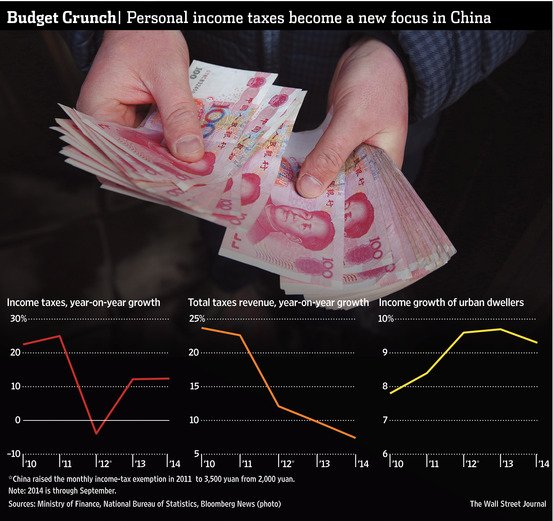
Understanding 'China Net Worth' also requires an examination of income distribution. Research into top incomes in China utilizes public data to estimate the actual income distribution, revealing the varying levels of prosperity across the population. While the average household net income in 2012 was around 45,665 yuan, with average household net wealth at 422,000 yuan, these figures have undoubtedly grown substantially by 2026.
The concept of a 'Chinese ladder of wealth' illustrates how different income brackets fit into the national economic structure, from the general population to the top 1%, 5%, and 10% earners. Decades of economic development have fueled a massive increase in incomes, with China's Gross National Income (GNI) per capita growing more than tenfold. This upward mobility for many, alongside the accumulation of significant wealth by others, collectively defines the dynamic and complex picture of 'China Net Worth.'
Frequently Asked Questions
Is 'China Net Worth' a person?
No, 'China Net Worth' is not an individual person or celebrity. It refers to the total economic wealth and financial assets of the People's Republic of China as a nation.
What does 'China Net Worth' actually mean?
It refers to the aggregate wealth of the country, encompassing national financial assets, government reserves, and the collective wealth of its households, including real estate, savings, and investments.
How much is China's national wealth?
China's total national wealth has seen significant growth, reaching an estimated $120 trillion by 2026, up from $7 trillion in 2000. Its financial assets were valued at $17.9 trillion as of 2026.
Are there many wealthy people in China?
Yes, China has a rapidly growing number of wealthy and ultra-wealthy individuals. as of 2026, there were over 110,000 super-rich households with wealth exceeding 100 million yuan, and the population of those with over $30 million net worth is expected to grow significantly.
Conclusion
In conclusion, the term 'China Net Worth' is a powerful economic descriptor, not a personal identifier. It encapsulates the immense financial growth and collective prosperity of one of the world's leading economies. From its vast national financial assets to the increasing wealth of its households and the rise of its ultra-wealthy population, China's economic story is one of unprecedented scale and impact. Understanding this distinction is key to accurately interpreting discussions about China's financial standing in the global arena.
As of 2026, the ongoing development and shifts in wealth distribution within China continue to shape its economic narrative, making it a subject of continuous study and analysis for economists and financial researchers worldwide.