Originally posted on May 11, 2026 @ 8:14 pm
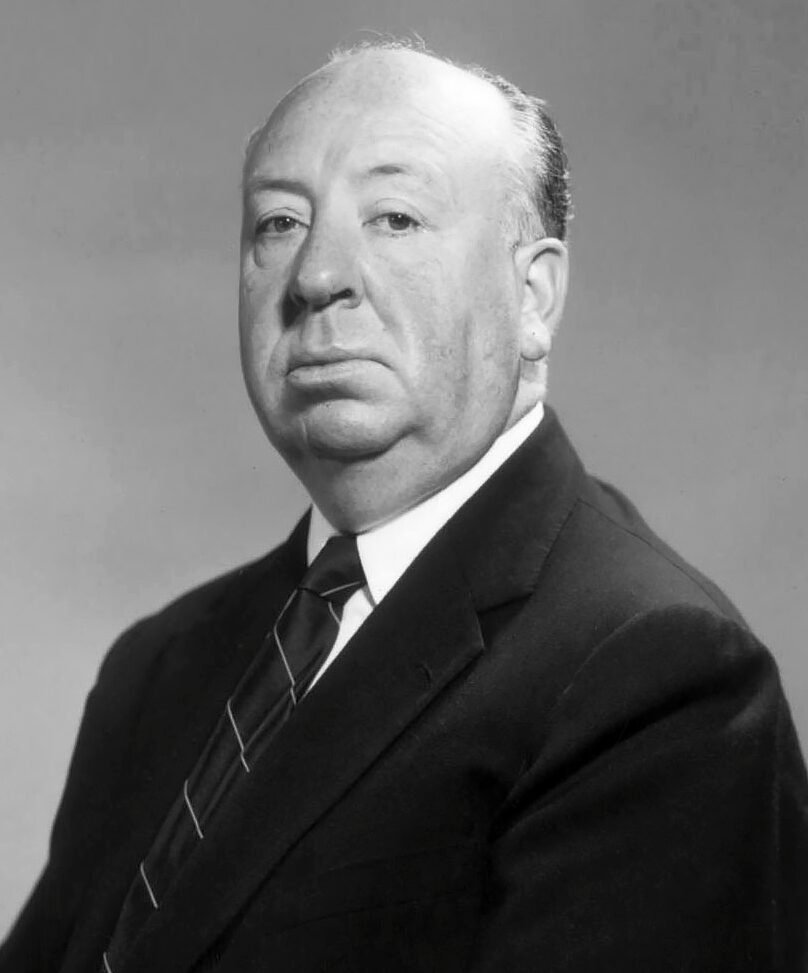
Alfred Hitchcock, born in Leytonstone, England, on August 13, 1899, remains one of the most influential and recognizable figures in cinematic history. Known globally as the 'Master of Suspense,' his distinctive style and psychological thrillers redefined filmmaking for generations. From classics like Psycho and Rear Window to his pioneering work in television, Hitchcock's artistic vision was matched by a keen understanding of the entertainment business.
Beyond his indelible mark on culture, many wonder about Alfred Hitchcock's net worth and the financial success that accompanied his legendary career. At the time of his passing in 1980, the acclaimed director had amassed an estimated net worth of $65 million, a testament to his prolific output, strategic financial decisions, and enduring appeal across various media.
Alfred Hitchcock Net Worth: From Psycho to Rear Window
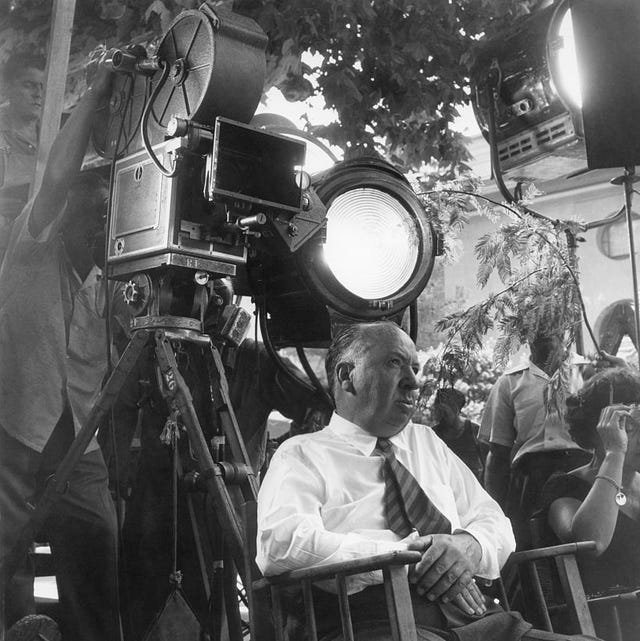
Alfred Hitchcock's impressive net worth of $65 million at the time of his death wasn't solely built on directing fees; it was the culmination of a career marked by artistic control and shrewd business acumen. His financial success stemmed primarily from his prolific work as a film director and producer, where he often negotiated for backend deals and profit participation, rather than just upfront salaries. This strategic approach, combined with a highly successful foray into television, allowed him to accumulate significant wealth, ensuring his legacy extended beyond the silver screen into a robust financial estate.
Quick Facts
| Known for | Master of Suspense |
|---|---|
| Born | August 13, 1899, Leytonstone, England |
| Died | April 29, 1980 |
| Primary Role | Film Director, Producer, Screenwriter |
| Most Profitable Film | Psycho |
Box Office Triumphs and Backend Deals
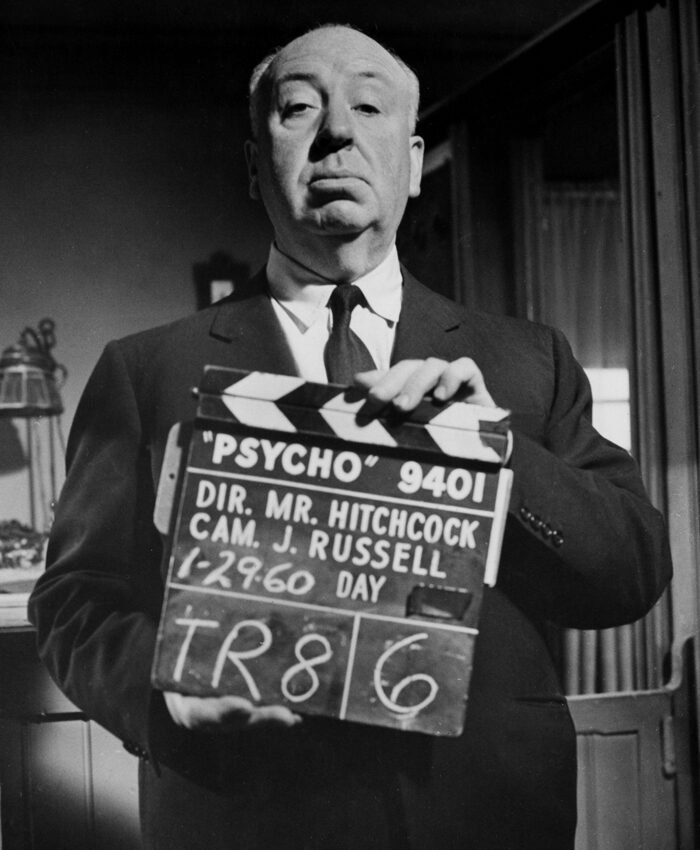
Hitchcock's reputation as a meticulous and visionary director allowed him to command substantial fees and favorable contract terms throughout his career. While his early films established his artistic credentials, it was his later Hollywood productions that truly cemented his financial standing. A prime example of his financial savvy is the 1960 horror masterpiece, Psycho. Instead of a large upfront salary, Hitchcock famously opted to defer his director's fee in exchange for 60% ownership of the film's negative and distribution rights.
This decision proved to be a stroke of genius. Psycho became the most profitable film of his career, grossing over $32 million worldwide on a modest budget of $800,000. Through his profit participation, Hitchcock personally earned in excess of $15 million from the film, which is equivalent to over $160 million in 2025 when adjusted for inflation. This strategic move not only showcased his confidence in his work but also secured a continuous stream of revenue from syndication and re-releases for decades, a model rarely seen for directors at the time.
Television Ventures: Alfred Hitchcock Presents
In addition to his groundbreaking cinematic achievements, Alfred Hitchcock extended his brand and financial reach into the burgeoning medium of television. From 1955 to 1965, he hosted and executive produced the anthology series Alfred Hitchcock Presents, which became a cultural phenomenon. The show, initially airing on CBS and later on NBC, ran for 10 seasons and produced a remarkable 361 episodes.
Hitchcock's distinctive silhouette and dry, sardonic introductions became iconic, drawing millions of viewers weekly. His role as host and executive producer provided a steady and lucrative income stream, further diversifying his financial portfolio. The show's success also allowed him to maintain a high public profile between film projects, reinforcing his 'Master of Suspense' persona and ensuring continued demand for his cinematic work.
Creative Control and Business Acumen
Hitchcock's financial success was intrinsically linked to his relentless pursuit of creative control. By often producing his own films, he maintained a tighter grip on budgets and, crucially, on the ownership of his work. This business-minded approach was uncommon for directors of his era, many of whom were studio employees with limited rights to their creations.
His ability to negotiate favorable terms, such as the deal for Psycho, demonstrated a forward-thinking understanding of intellectual property and long-term asset management. This strategic ownership, particularly of film negatives, allowed his estate to continue generating revenue long after his passing, cementing his status not just as an artistic genius but also as a savvy entrepreneur in the entertainment industry.
Earnings Breakdown
| Income Source | Category | Est. Annual | Status |
|---|---|---|---|
| Film Directing & Producing | Salary | Varies by project, significant backend deals | Past |
| Film Ownership & Rights (e.g., Psycho) | Business | Royalties and syndication revenue | Past |
| Alfred Hitchcock Presents (TV) | TV | Host and Executive Producer fees | Past |
| Screenwriting Contributions | Salary | Included in film contracts | Past |
| Other Film Projects (Producer) | Business | Production fees and profits | Past |
Frequently Asked Questions
What was Alfred Hitchcock's net worth at the time of his death?
Alfred Hitchcock's estimated net worth at the time of his death in 1980 was $65 million, accumulated through his extensive career in film and television.
How did Alfred Hitchcock make most of his money?
Hitchcock made most of his money through a combination of directing and producing fees for his highly successful films, strategic backend deals, and his popular television series, Alfred Hitchcock Presents. His ownership of film negatives, notably for Psycho, was a significant long-term income generator.
Which was Alfred Hitchcock's most profitable film?
Psycho (1960) was Alfred Hitchcock's most profitable film. He earned over $15 million from it due to a shrewd deal for 60% ownership of the film's negative, which is equivalent to over $160 million in 2025.
Did Alfred Hitchcock work in television?
Yes, Alfred Hitchcock had a highly successful career in television. He hosted and executive produced the popular anthology series Alfred Hitchcock Presents, which ran for 10 seasons from 1955 to 1965.
Conclusion
Alfred Hitchcock's financial narrative is as compelling as his cinematic one. His estimated $65 million net worth reflects not only his unparalleled artistic genius but also his astute business sense, particularly in an era when directors rarely held such significant financial control over their work. By strategically negotiating for profit participation and retaining ownership of his creations, Hitchcock ensured that his legacy would be both artistically profound and financially enduring, leaving an indelible mark on Hollywood and a substantial estate for his heirs.