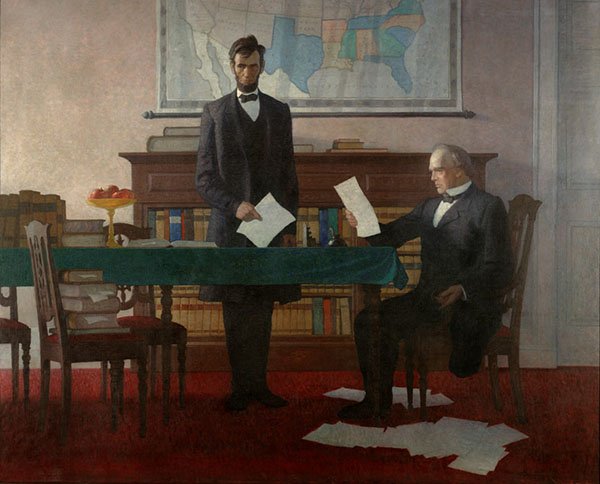
Abraham Lincoln, revered as one of America's greatest presidents, is remembered for his leadership during the Civil War and the abolition of slavery. While his political and moral legacy is immense, discussions about his personal wealth often take a backseat. However, understanding Abraham Lincoln's net worth provides valuable context to his life, illustrating the financial landscape for a public servant in the mid-19th century.
Born into humble beginnings in a log cabin, Lincoln's journey to the White House was a testament to self-improvement and dedication. His financial standing, though modest by today's standards for a head of state, was built through diligent work as an attorney and his salary as President. As of 2026, various historical analyses estimate his net worth at the time of his death to be approximately $1.36 million when adjusted for inflation and purchasing power.
Abraham Lincoln Net Worth: From Legal Practice to Presidential Service
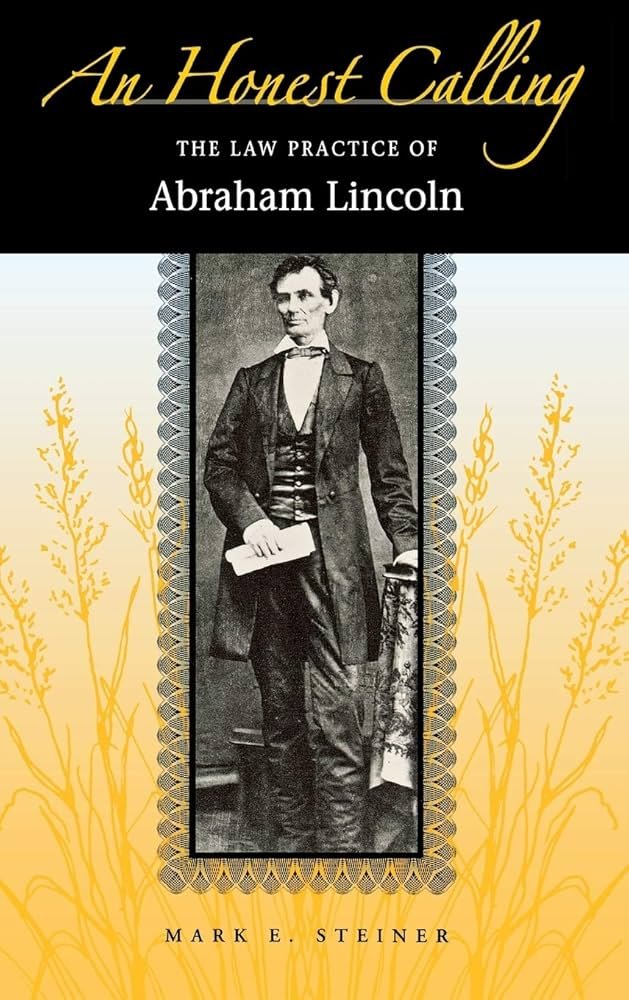
Abraham Lincoln's financial story is one of steady accumulation rather than vast inherited wealth. His primary income sources stemmed from his successful legal career in Illinois and his subsequent salary as President of the United States. While his unadjusted estate at the time of his assassination in 1865 was recorded at $90,000, this figure represents a significant sum for the era. When considering the purchasing power and economic context of the 1860s, this amount translates to a much higher value in modern terms, leading to the widely cited estimate of $1.36 million for his net worth today. This wealth was primarily a result of careful savings from his professional earnings, rather than extensive business ventures or investments.
Quick Facts
| Known for | 16th President of the United States |
|---|---|
| Years in Office | 1861-1865 |
| Pre-Presidency Career | Lawyer, Illinois State Legislator, U.S. Congressman |
| Presidential Salary | $25,000 per year (1861-1865) |
| Estate at Death (unadjusted) | $90,000 |
A Distinguished Career in Law
Before ascending to the nation's highest office, Abraham Lincoln established himself as a respected and successful attorney in Illinois. For 17 years, from the mid-1830s until his presidential campaign, Lincoln practiced law, primarily in Springfield. His legal work involved a wide range of cases, from local disputes to representing railroad companies, which were burgeoning industries at the time. This period was crucial for his financial development, providing a stable and substantial income that allowed him to support his family and begin building his personal wealth. His reputation as 'Honest Abe' was not only a moral descriptor but also reflected his integrity in his legal dealings, which undoubtedly contributed to his professional success and client base.
The Presidential Salary and Estate Growth
Upon becoming the 16th President of the United States in 1861, Lincoln's income stream became more formalized. The presidential salary during his tenure was set at $25,000 per year. While this figure might seem modest by 2026 standards, it was an exceptionally high income in the 1860s. To put it into perspective, $25,000 in 1861 is roughly equivalent to nearly $739,000 in today's dollars, according to historical economic data. This substantial salary allowed Lincoln to significantly increase his savings during his four years in office.
Records indicate that Lincoln's estate grew from approximately $15,000 when he entered the presidency to $90,000 at the time of his death. This growth, largely attributed to his presidential salary and prudent financial management, demonstrates a considerable accumulation of wealth for a man who started with very little. His financial legacy, while not as grand as some of his contemporaries, reflects a life of hard work and fiscal responsibility.
Modest Investments and Property Holdings
Beyond his direct salaries, Lincoln's wealth included modest investments and property holdings. While he wasn't known for extensive business ventures, his legal career and presidential earnings allowed him to acquire some real estate. These holdings, combined with his savings, formed the bulk of his estate. Unlike many wealthy individuals of his time who engaged in large-scale land speculation or industrial investments, Lincoln's financial portfolio remained relatively conservative, focused on the security of his earnings and a few key assets. His financial decisions mirrored his practical and grounded approach to life, prioritizing stability over speculative ventures.
Earnings Breakdown
| Income Source | Category | Est. Annual | Status |
|---|---|---|---|
| Legal Practice | Salary | Varies by case/year | Past |
| Presidential Salary | Salary | $25,000 (1861-1865) | Past |
| Savings & Investments | Other | Growth from principal | Past |
Frequently Asked Questions
What was Abraham Lincoln's net worth?
Abraham Lincoln's net worth is estimated to be around $1.36 million in modern adjusted dollars. His unadjusted estate at the time of his death in 1865 was $90,000.
How did Abraham Lincoln earn his money?
Lincoln earned his money primarily through his successful 17-year career as an attorney in Illinois and his annual salary of $25,000 as President of the United States from 1861 to 1865.
Was Abraham Lincoln wealthy for his time?
While not among the wealthiest Americans of his era, Lincoln's estate of $90,000 at his death was a substantial sum for the mid-19th century, placing him in a comfortable financial position compared to the average citizen.
What was Lincoln's presidential salary?
As President, Abraham Lincoln earned an annual salary of $25,000. This amount was equivalent to approximately $739,000 in 2026 dollars, reflecting its significant purchasing power at the time.
Conclusion
Abraham Lincoln's financial journey, from a humble upbringing to the presidency, reflects a life built on hard work and professional achievement. His net worth, estimated at $1.36 million in today's adjusted value, was primarily a result of his distinguished legal career and his dedicated service as President. While his monetary wealth was not his defining characteristic, it underscores the financial realities and opportunities available to a prominent public figure in 19th-century America. Lincoln's true legacy, of course, transcends any financial valuation, resting instead on his profound impact on the nation's history and moral compass.